
Roofing in Denver, NC: What Local Homeowners Should Know
Whether you're protecting a lakefront home or a commercial property on Highway 16, finding the right roofing help starts with understanding what's different about this area.
📞How Matching Works in Denver
Share Your Need
Select the specific service or issue you need help with.
Get Matched
We identify local professionals in our network who handle that service.
Compare Options
Review your matches and decide on the best provider for you.
Complete Residential & Commercial Roofing Solutions
Professional services tailored to Denver residents and businesses
Why Choose Our Residential & Commercial Roofing
Trusted by Denver homeowners and businesses
Leak Repair & Diagnostics
Pinpoint the source fast with a thorough inspection and targeted repairs that stop water intrusion and prevent further damage.
Storm Damage Response
Quick assessments after wind or hail, with photo documentation and guidance to help you navigate the insurance process.
Honest Roof Inspections
Clear findings, pictures, and straightforward options so you can make confident decisions—no pressure, no surprises.
Quality Materials & Warranties
Installations built for long-term protection using proven materials, proper flashing/ventilation, and workmanship warranties.
Comprehensive Service Overview
For residential properties in Denver, roofing projects typically involve asphalt shingle replacement or repair, given this is the most common material across the area's neighborhoods. Architectural shingles have largely replaced older three-tab styles, offering better wind resistance and a more dimensional look that suits both traditional and contemporary home designs. Metal roofing is also gaining traction, particularly on lakefront homes and properties where longevity and energy efficiency are priorities.
Commercial roofing in the Denver area generally falls into two categories: flat or low-slope roofs on retail plazas, office buildings, and industrial spaces (often using TPO, PVC, or modified bitumen), and sloped metal roofs on warehouses or agricultural-style buildings. The local climate demands attention to proper flashing, ventilation, and drainage —issues that become especially critical during the heavy rain events common to the region.
What many homeowners don't realize until they're in the middle of a project is how much the inspection and assessment phase matters. A thorough look at the roof's current condition—checking for soft spots, examining flashing around chimneys and skylights, and evaluating attic ventilation—can reveal problems early. Clear findings, photos, and straightforward options help property owners make confident decisions without pressure or surprises.
For anyone dealing with recent storm impacts, a quick post-storm assessment with photo documentation can be valuable, especially if you're considering an insurance claim. And for those planning ahead, an installation built with proven materials and proper techniques—flashing details, ventilation, workmanship protection—provides the kind of long-term protection that matters in this climate.
★ Why Choose a Local Pro?
Roofing work in Denver isn't one-size-fits-all. Building codes and inspection requirements can vary between Lincoln County and nearby jurisdictions, and what's standard in one area may not apply just a few miles down the road. Local familiarity matters because the housing stock here is so varied—a 1970s ranch on a shaded lot near Rock Springs has different needs than a brand-new lakefront build in Westport with complex rooflines.
Licensed contractors who work regularly in this area tend to understand the typical inspection expectations, the materials that perform best in the local climate, and how to handle the nuances of different roof pitches and styles. For commercial properties, awareness of local zoning and permitting processes can make a meaningful difference in project timelines.
That said, every property is unique. The value of working with someone who knows the area is real, but it's equally important to verify licensing, ask about their experience with roofs like yours, and understand what's included in any proposal before moving forward.
Local Advantage
- ✓ Faster Response Times
- ✓ Knowledge of Local Codes
- ✓ Community Accountability
Local Residential & Commercial Roofing in Denver
Understanding the specific needs and challenges of properties in the Denver area.
Regional Characteristics
Denver's housing stock is a mix of older single-family homes from the mid-20th century, newer lakefront and lake-access properties with steeper roof pitches and larger footprints, and a growing number of commercial buildings and mixed-use developments along Highway 16 / NC-73. The terrain is gently rolling Piedmont, and homes often feature mature landscaping, which can affect water runoff and drainage patterns. Newer subdivisions tend to have more uniform roofing materials and consistent code compliance, while older neighborhoods may have roofs that have been patched over time with varying materials.
Common Issues
Storm-related impacts from spring thunderstorms and occasional high winds are the most common concern, along with moisture intrusion around flashing and valleys during heavy rain events. The combination of humidity and shade from mature trees can lead to algae growth or moss on north-facing roof slopes. Commercial flat roofs in the area often contend with ponding water after prolonged rain.
Areas & Neighborhoods Served
Coverage across the neighborhoods, corridors, and nearby communities property owners most often ask about in Denver.
Service Area Zip Codes
Local Considerations
Homes and businesses around the Lake Norman shoreline are particularly exposed to wind-driven rain, while properties along the Highway 16 / NC-73 commercial corridor have different considerations tied to signage mounts and HVAC equipment on roofs. Older neighborhoods near downtown Denver tend to have roofs with three-tab shingles that may be nearing replacement age, while newer developments near Westport typically feature architectural shingles or metal roofing.
Roofing Guides for Denver
Different situations call for different information. Choose a guide based on what you need right now.
Emergency Situations
Urgent help when every minute counts.
Get Emergency HelpPricing & Cost Factors
Understand fair costs and pricing.
View Pricing GuideAvoid Scams
Protect yourself from common fraud.
Read Protection GuidePermits & Compliance
Local rules and requirements.
Check RequirementsNext Steps
Depending on what you're dealing with right now, there's a more specific page that may help. If you have active leaking or storm damage that needs immediate attention, head to the emergency page for guidance on handling urgent situations. For questions about typical project costs and how pricing works in this area, the pricing page breaks down what to expect. If you're concerned about roofing contractor practices and consumer protection, the scams page covers red flags and how to research providers. And if you're planning a project and wondering about building permits and local requirements, the permits page lays out what you need to know before work begins.
Residential & Commercial Roofing Work
Professional residential & commercial roofing services in Denver
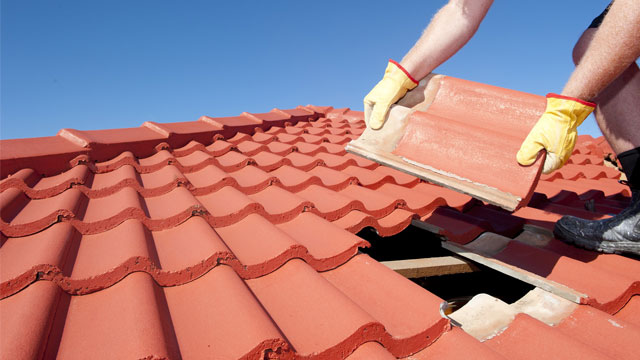
Residential & Commercial Roofing Services
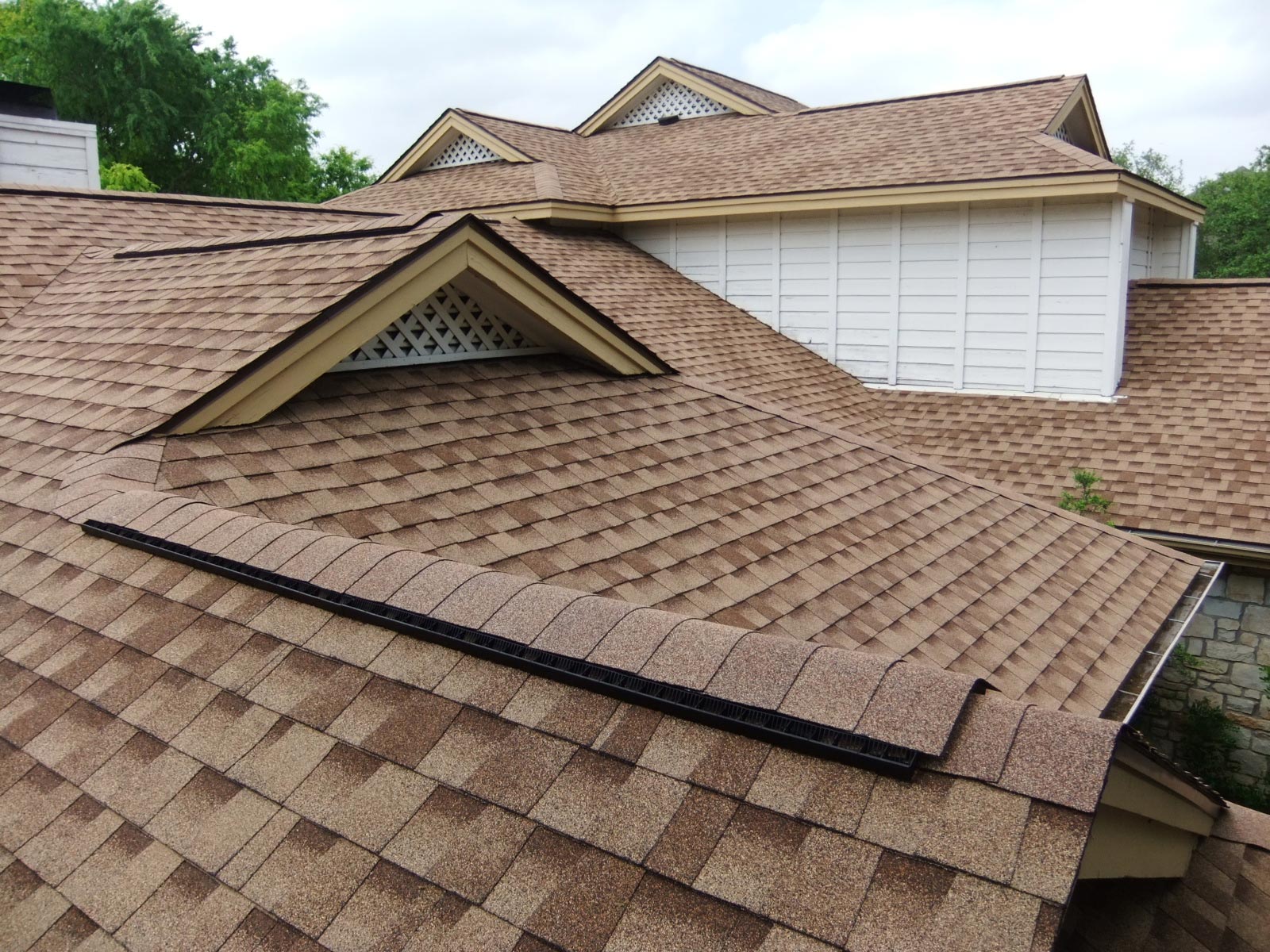
Residential & Commercial Roofing Services
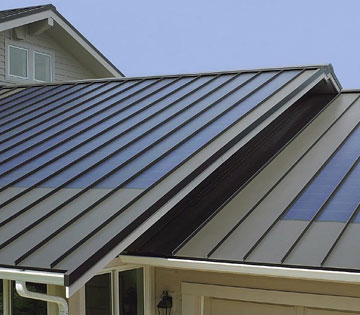
Residential & Commercial Roofing Services
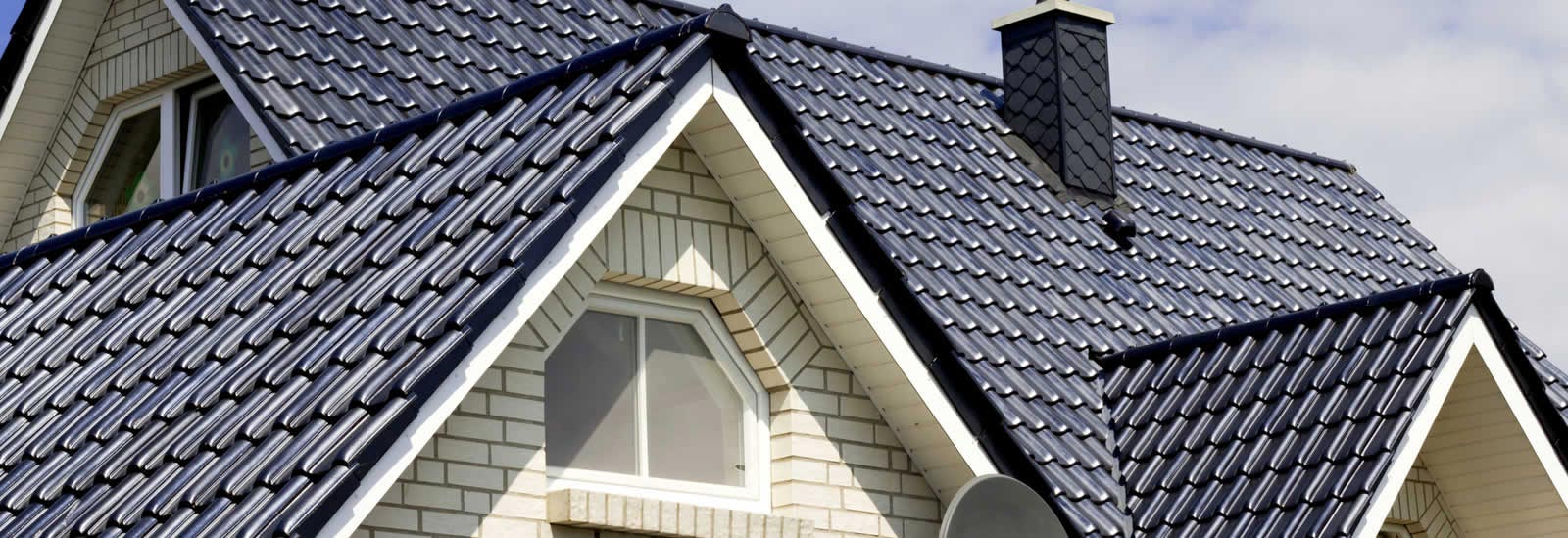
Residential & Commercial Roofing Services
Find a Residential & Commercial Roofing Pro in Denver
Connect with verified local professionals who understand your specific needs.