
Roofing in Lincolnton, NC: What Homeowners Should Know
Whether it's a home or commercial property, roofing needs in Lincolnton can arise from storms or simply the passage of time. Getting informed early makes all the difference when you need to act.
📞How Matching Works in Lincolnton
Share Your Need
Select the specific service or issue you need help with.
Get Matched
We identify local professionals in our network who handle that service.
Compare Options
Review your matches and decide on the best provider for you.
Complete Residential & Commercial Roofing Solutions
Professional services tailored to Lincolnton residents and businesses
Why Choose Our Residential & Commercial Roofing
Trusted by Lincolnton homeowners and businesses
Leak Repair & Diagnostics
Pinpoint the source fast with a thorough inspection and targeted repairs that stop water intrusion and prevent further damage.
Storm Damage Response
Quick assessments after wind or hail, with photo documentation and guidance to help you navigate the insurance process.
Honest Roof Inspections
Clear findings, pictures, and straightforward options so you can make confident decisions—no pressure, no surprises.
Quality Materials & Warranties
Installations built for long-term protection using proven materials, proper flashing/ventilation, and workmanship warranties.
Comprehensive Service Overview
When most people in Lincolnton think about roofing, they're usually picturing asphalt shingles—and for good reason. They're the most common roofing material in this part of North Carolina, offering a solid balance of durability and cost. But depending on the property, you might also see metal roofing on homes or barns, tile on certain custom builds, or flat roofing systems on commercial buildings and some residential additions.
The scope of a typical roofing project in Lincolnton depends heavily on the property's age and condition. An older home near downtown might require careful work around historic details, including proper flashing where the roof meets chimneys, dormers, or walls. A newer home in a subdivision may involve a more straightforward replacement with modern underlayment and ventilation designed to meet current code standards.
For commercial properties, the conversation often involves low-slope or flat roofing systems that require different materials and techniques than residential steep-slope roofs. Building use, foot traffic, and access all factor into the approach.
One thing that holds true across the board is the importance of a thorough inspection and clear communication. When a concern arises, the first step on nearly every project is a careful look at the roof's condition—checking for signs of wear, storm impact, or issues from previous work. The ability to pinpoint the source of a problem quickly and see clear findings with straightforward options is what allows property owners to make confident decisions, without pressure or surprises.
Ventilation is another topic that comes up frequently in this region. Proper airflow through the attic helps manage heat and moisture, which can extend the life of roofing materials. Similarly, attention to flashing details—where the roof meets walls, chimneys, or skylights—plays a big role in preventing leaks down the road. When installations are built with these details in mind, using proven materials and proper techniques, the result is a roof built for long-term protection.
★ Why Choose a Local Pro?
Roofing is not a one-size-fits-all kind of project, and the differences in Lincolnton's housing stock, climate, and local building codes mean that familiarity with the area matters. A roofing approach that works well on a newer suburban home may not suit an older property with different structural characteristics, and vice versa.
Local code requirements can vary from one jurisdiction to another, and understanding what's typically expected for a project in this area helps keep things running smoothly. Experienced professionals who work regularly in Lincoln County are generally familiar with the permitting process, inspection expectations, and the kinds of materials that perform well in this climate.
Beyond code considerations, there's also the practical know-how that comes from working locally. Understanding how summer humidity affects certain materials, knowing which flashing techniques hold up best in this region's storm patterns, and having a feel for common roof designs in the area all contribute to a more successful outcome. For property owners, taking the time to find someone who works regularly in this market is a reasonable step toward a smooth project.
Local Advantage
- ✓ Faster Response Times
- ✓ Knowledge of Local Codes
- ✓ Community Accountability
Local Residential & Commercial Roofing in Lincolnton
Understanding the specific needs and challenges of properties in the Lincolnton area.
Regional Characteristics
Lincolnton sits in the heart of Lincoln County within North Carolina's Piedmont region, an area known for its rolling hills and distinct four seasons. The housing stock here spans a wide range—from late 19th and early 20th century homes in the older sections of town to ranch-style houses built in the mid-1900s, and newer subdivisions that have grown steadily over the past two decades. Commercial properties are concentrated mainly around the downtown core and along major routes. The climate brings hot, humid summers, mild winters, and periodic thunderstorms, which means roofs here face a consistent combination of UV exposure, moisture, and occasional high winds.
Common Issues
Roofing concerns in Lincolnton tend to fall into a few familiar categories. Storm-related impacts, particularly from strong spring and summer thunderstorms, can lead to loose or missing shingles, granule loss, and in some cases, more significant damage from falling branches. Humidity and moisture are ongoing considerations, and older homes without proper attic ventilation may be more prone to trapped heat and moisture issues. Over time, general weathering takes its toll—especially on roofs that are approaching the 15- to 20-year mark—making periodic inspections a worthwhile habit for local property owners.
Areas & Neighborhoods Served
Coverage across the neighborhoods, corridors, and nearby communities property owners most often ask about in Lincolnton.
Service Area Zip Codes
Local Considerations
Lincolnton's downtown historic district offers a mix of older commercial and residential structures, many with steep-slope roofing that reflects traditional building methods. Newer residential development has expanded outward from the center, with subdivisions featuring a range of architectural styles and modern roof systems. The areas near major roadways see a blend of both old and new construction, making the local roofing landscape quite varied depending on where a property sits.
Roofing Guides for Lincolnton
Different situations call for different information. Choose a guide based on what you need right now.
Emergency Situations
Urgent help when every minute counts.
Get Emergency HelpPricing & Cost Factors
Understand fair costs and pricing.
View Pricing GuideAvoid Scams
Protect yourself from common fraud.
Read Protection GuidePermits & Compliance
Local rules and requirements.
Check RequirementsNext Steps
If you're dealing with an active leak or visible damage after a storm, the emergency page covers what to do when time is critical. For questions about typical costs and what influences pricing in this area, the pricing page offers a helpful overview. Those concerned about protecting themselves during the hiring process can visit the scams page for practical guidance, and anyone wondering about permit requirements should check the permits page for local context.
Residential & Commercial Roofing Work
Professional residential & commercial roofing services in Lincolnton
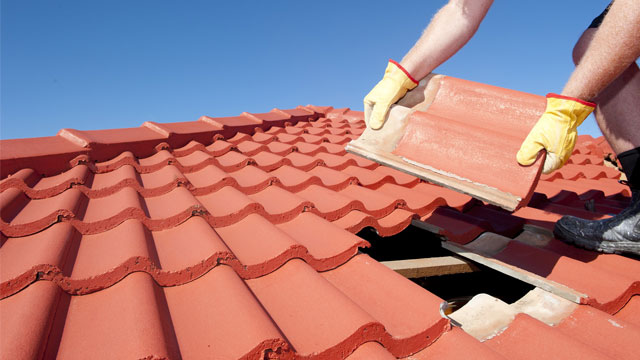
Residential & Commercial Roofing Services
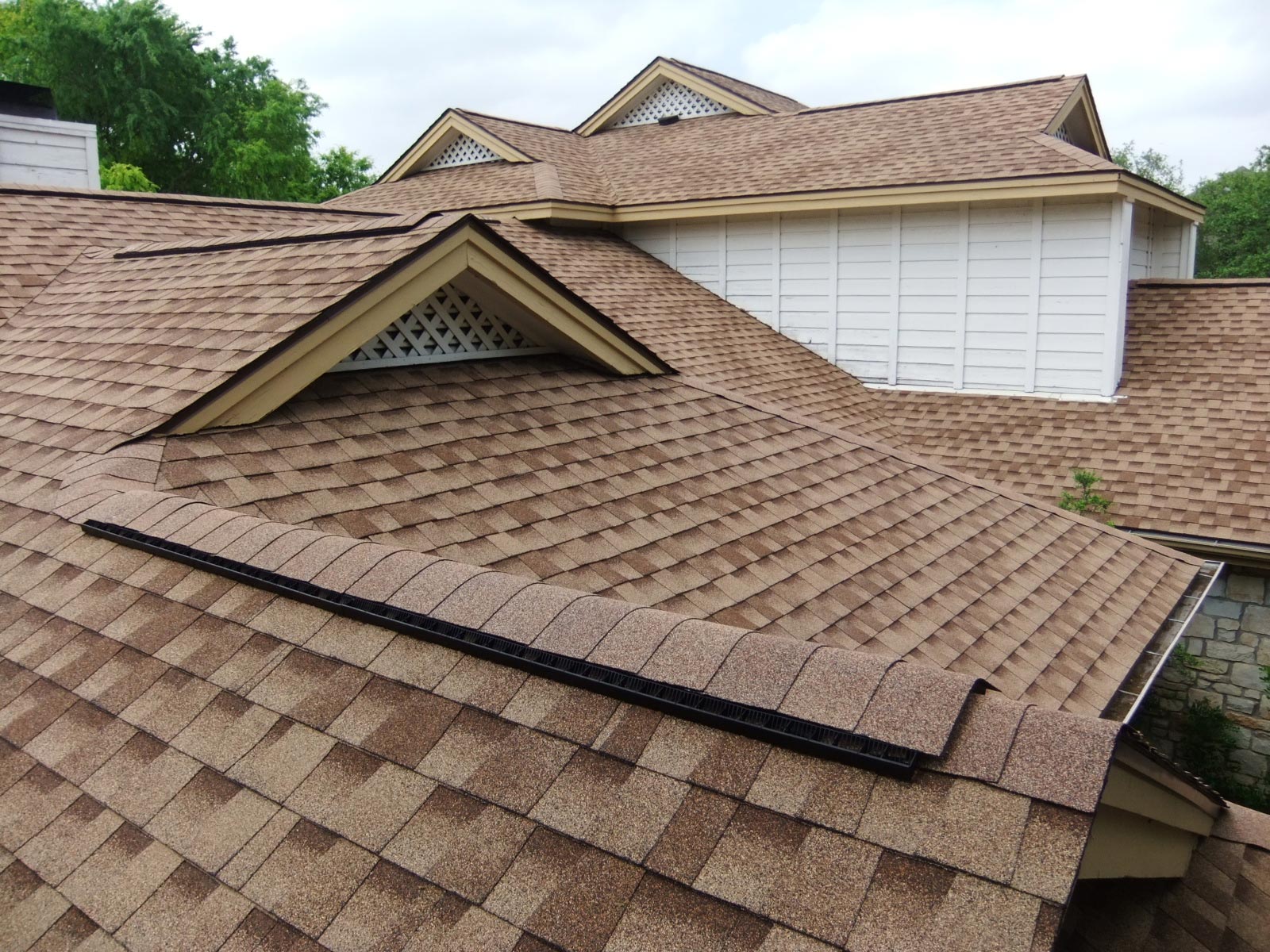
Residential & Commercial Roofing Services
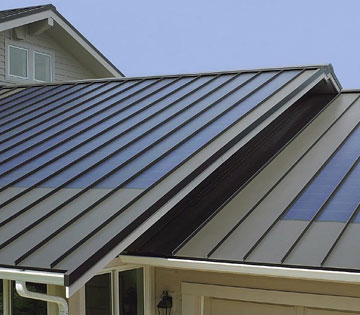
Residential & Commercial Roofing Services
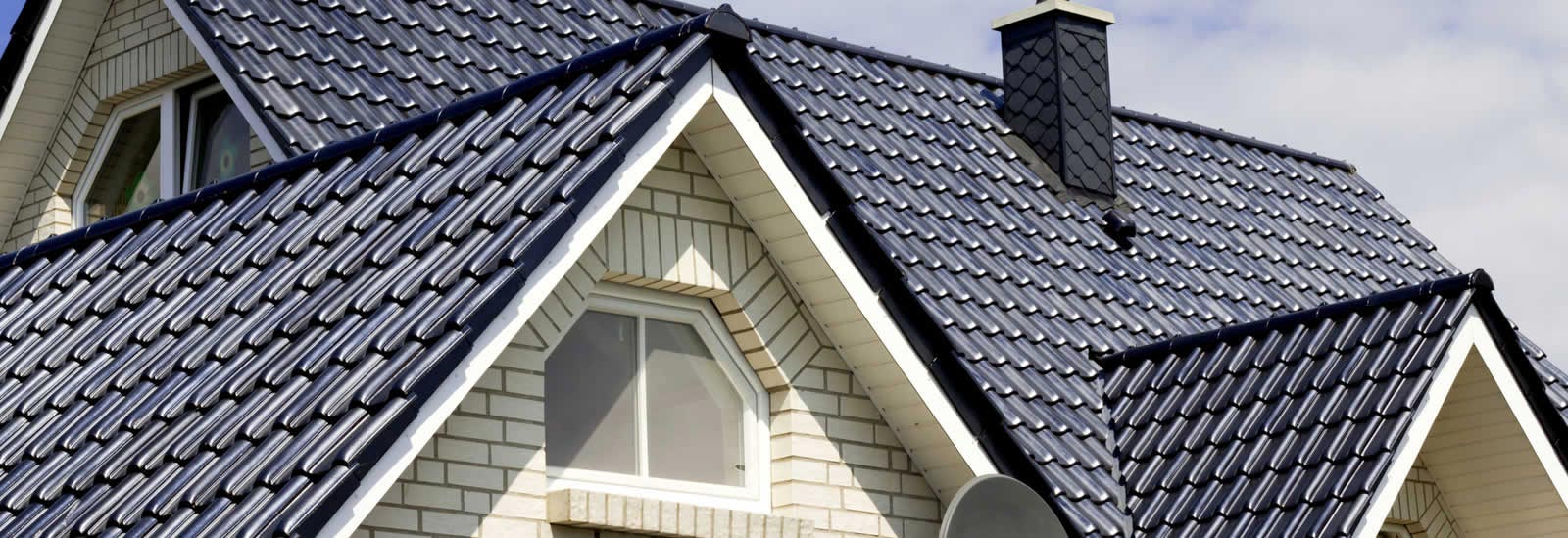
Residential & Commercial Roofing Services
Find a Residential & Commercial Roofing Pro in Lincolnton
Connect with verified local professionals who understand your specific needs.