
Roofing in Raleigh, NC: What Homeowners and Property Owners Should Know
From historic bungalows in Five Points to newer construction in Brier Creek, Raleigh’s roofing landscape is shaped by its neighborhoods and climate. Connect with local professionals who understand what your property needs.
📞How Matching Works in Raleigh
Share Your Need
Select the specific service or issue you need help with.
Get Matched
We identify local professionals in our network who handle that service.
Compare Options
Review your matches and decide on the best provider for you.
Complete Residential & Commercial Roofing Solutions
Professional services tailored to Raleigh residents and businesses
Why Choose Our Residential & Commercial Roofing
Trusted by Raleigh homeowners and businesses
Leak Repair & Diagnostics
Pinpoint the source fast with a thorough inspection and targeted repairs that stop water intrusion and prevent further damage.
Storm Damage Response
Quick assessments after wind or hail, with photo documentation and guidance to help you navigate the insurance process.
Honest Roof Inspections
Clear findings, pictures, and straightforward options so you can make confident decisions—no pressure, no surprises.
Quality Materials & Warranties
Installations built for long-term protection using proven materials, proper flashing/ventilation, and workmanship warranties.
Comprehensive Service Overview
When it comes to roofing in Raleigh, the scope of work typically reflects the city’s varied housing stock and climate patterns. Most residential projects involve asphalt shingle roofs, which hold up well in this region when properly installed with adequate ventilation and underlayment. Homes in historic districts like Oakwood or Boylan Heights may require more specialized attention, particularly around flashing details, chimney boots, and maintaining the original roofline character.
A thorough inspection is the foundation of any sound roofing project. This means checking not just the visible shingle layer, but also the decking, flashing, vent boots, and attic conditions. In Raleigh’s humid climate, proper attic ventilation is especially critical to prevent moisture buildup that can lead to rot or premature shingle failure. Pinpointing the source of a leak quickly through a careful inspection allows for targeted repairs that stop water intrusion and protect the structure underneath.
For properties affected by storms, a quick assessment with photo documentation can be especially helpful—both for understanding the extent of the damage and for providing clear records if an insurance claim becomes part of the picture. What matters most is getting a complete picture of what’s going on, with clear findings and straightforward options that let you make confident decisions without pressure.
Commercial roofing in Raleigh often involves low-slope or flat systems such as modified bitumen, TPO, or PVC. These systems require different installation techniques and drainage considerations than residential sloped roofs. Property managers and business owners typically look for durable, long-lasting solutions that minimize disruption to operations. Installations built for long-term protection using proven materials, with attention to proper flashing and ventilation, help ensure the roof performs as expected for years to come.
★ Why Choose a Local Pro?
Roofing work in Raleigh isn’t one-size-fits-all. The same approach that works for a 1920s bungalow in Mordecai may not suit a 2010s build in Brier Creek. Local familiarity matters because building codes, inspection expectations, and common construction methods vary between older in-town neighborhoods and newer suburban developments.
Licensed and insured contractors in North Carolina are required to carry appropriate credentials, but the real value of local expertise comes from understanding how Raleigh’s specific conditions—its tree canopy, clay soils, humidity patterns, and storm frequency—affect roofing materials and installation techniques. Someone who regularly works in this area knows, for example, how to handle the flashing details common to local historic homes or what type of underlayment performs best in the region’s humidity.
Taking the time to compare options and verify credentials helps ensure the work aligns with both your property’s needs and local expectations.
Local Advantage
- ✓ Faster Response Times
- ✓ Knowledge of Local Codes
- ✓ Community Accountability
Local Residential & Commercial Roofing in Raleigh
Understanding the specific needs and challenges of properties in the Raleigh area.
Regional Characteristics
Raleigh’s housing stock spans over a century of construction styles. Historic neighborhoods near downtown feature early 20th-century bungalows, Colonial Revivals, and Craftsman homes with steep roof pitches and often original slate or wood shake underlayment. Mid-century ranch homes in areas like Cameron Village and Hayes Barton typically feature lower-slope roofs that were built with different ventilation standards. Newer developments in North Raleigh, Brier Creek, and Midtown commonly use modern truss systems and architectural asphalt shingles designed for energy efficiency. The city’s clay-heavy soil and tree canopy also influence drainage patterns and gutter maintenance needs.
Common Issues
Weather-related wear is the most common roofing concern across Raleigh. Thunderstorms frequently bring high winds that can lift or damage shingles, while heavy rain events test flashing and valley work. Humidity encourages moss and algae growth on shaded north-facing slopes. Older neighborhoods with mature trees also contend with debris accumulation and gutter clogging. Commercial flat roofs in the area are especially vulnerable to ponding water and membrane deterioration over time.
Areas & Neighborhoods Served
Coverage across the neighborhoods, corridors, and nearby communities property owners most often ask about in Raleigh.
Service Area Zip Codes
Local Considerations
Raleigh’s older residential areas near downtown and the NC State University campus have the highest concentration of historic roofing materials and structural quirks. Newer commercial corridors and mixed-use developments along Capital Boulevard, Glenwood Avenue, and near the airport feature more modern roofing systems. The mix of urban, suburban, and rapidly growing areas means roofing approaches vary significantly within just a few miles.
Roofing Guides for Raleigh
Different situations call for different information. Choose a guide based on what you need right now.
Emergency Situations
Urgent help when every minute counts.
Get Emergency HelpPricing & Cost Factors
Understand fair costs and pricing.
View Pricing GuideAvoid Scams
Protect yourself from common fraud.
Read Protection GuidePermits & Compliance
Local rules and requirements.
Check RequirementsNext Steps
Depending on your situation, one of these pages may be the right next step. If you’re facing active leaks or urgent storm damage, the emergency page covers what to do in those time-sensitive moments. For questions about typical project costs and how estimates work locally, the pricing page offers helpful guidance. Concerned about consumer protection or identifying reliable contractors? The scams page outlines red flags and protections. And if you’re wondering about permits and code requirements for roofing work in Raleigh, the permits page explains what to expect.
Residential & Commercial Roofing Work
Professional residential & commercial roofing services in Raleigh
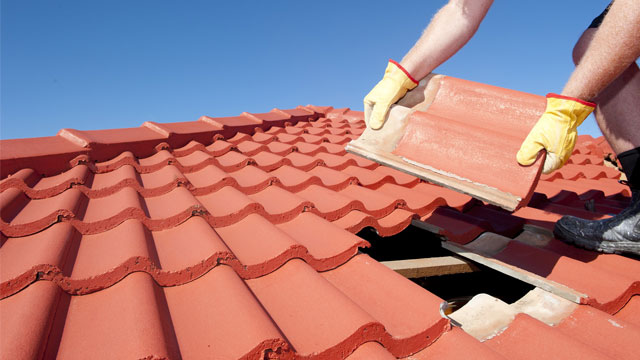
Residential & Commercial Roofing Services
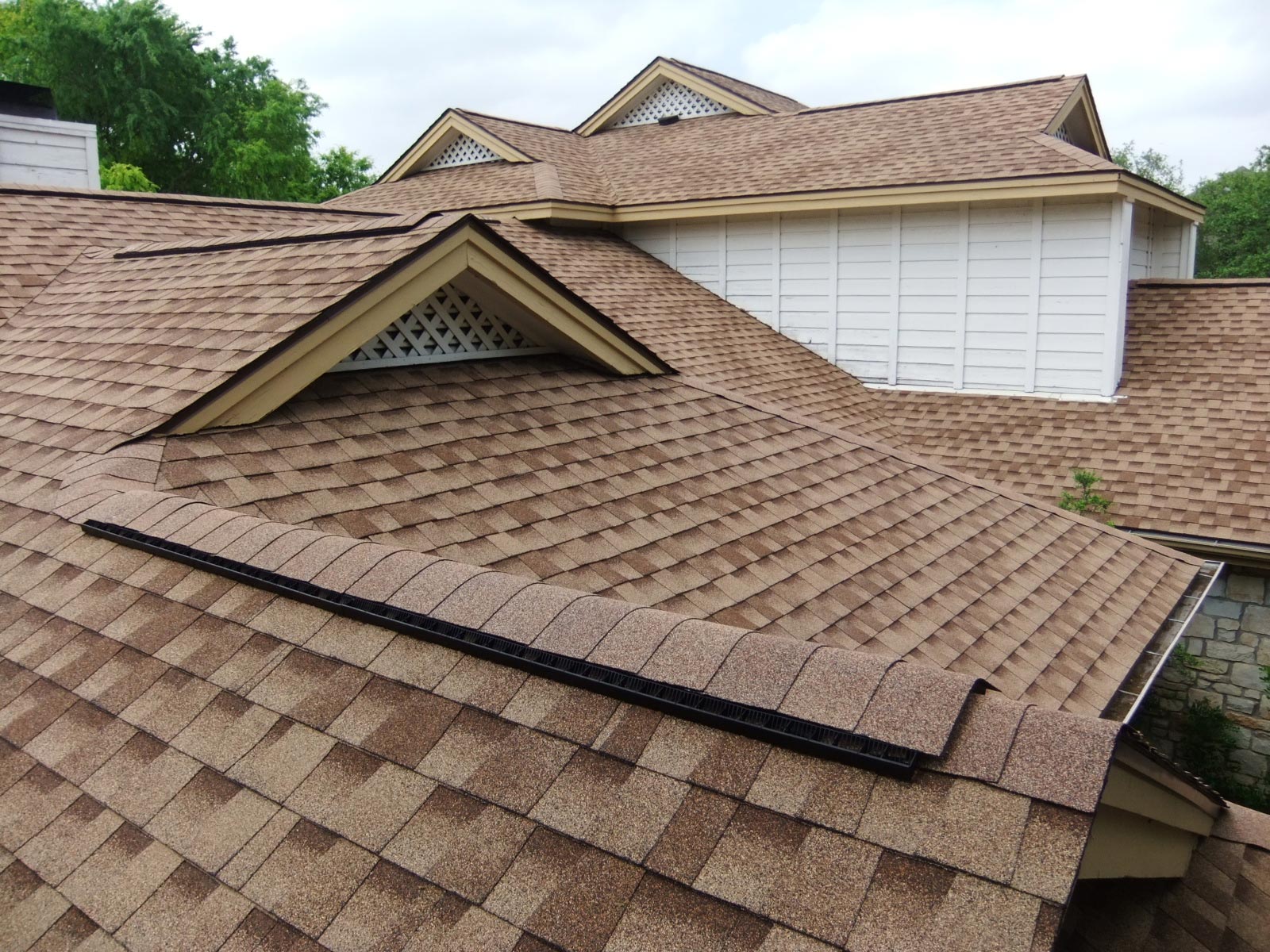
Residential & Commercial Roofing Services
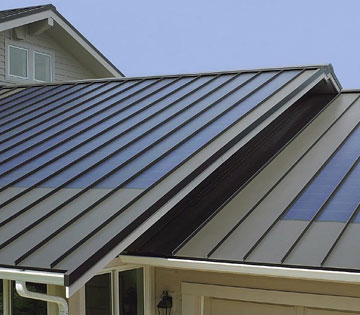
Residential & Commercial Roofing Services
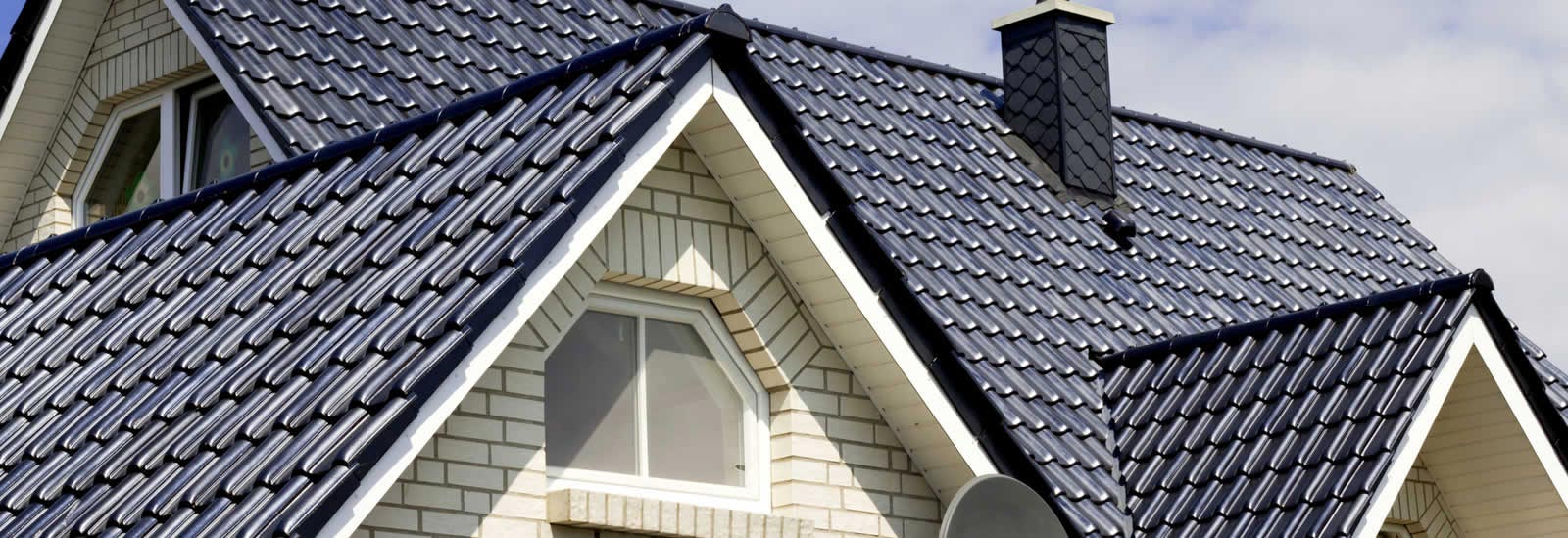
Residential & Commercial Roofing Services
Find a Residential & Commercial Roofing Pro in Raleigh
Connect with verified local professionals who understand your specific needs.