
Residential & Commercial Pest Control in Lancaster, TN
Active pests can spread through a home or business quickly. Connect with local providers for calm guidance, targeted treatment options, and a path toward prevention.
📞How Matching Works in Lancaster
Share Your Need
Select the specific service or issue you need help with.
Get Matched
We identify local professionals in our network who handle that service.
Compare Options
Review your matches and decide on the best provider for you.
Complete Residential & Commercial Pest Control Solutions
Professional services tailored to Lancaster residents and businesses
Why Choose Our Residential & Commercial Pest Control
Trusted by Lancaster homeowners and businesses
Thorough Home Inspection
Technicians identify entry points, nesting areas, and conditions attracting pests before treating.
Targeted, Safer Treatments
Precision applications and IPM methods reduce pests while minimizing exposure for families and pets.
Fast Scheduling Options
Same-week appointments available to stop active infestations before they spread further.
Prevention & Exclusion Tips
Get practical steps to seal gaps, reduce moisture, and keep pests from returning.
Clear Plan & Pricing
Upfront estimates with a written treatment plan, so you know what’s included and why.
Follow-Up When Needed
Ongoing monitoring and return visits help ensure long-lasting control for tough infestations.
Comprehensive Service Overview
Residential and commercial pest control in Lancaster typically begins with an inspection and a clear identification of the pest or signs of activity. The property owner may want the visit to consider entry points, nesting or harborage areas, moisture sources, food or waste access, vegetation, and conditions around crawl spaces, garages, storage rooms, kitchens, and foundations. Those observations help shape a written treatment plan that explains what is included and why.
The approach may involve precision applications, traps, exclusion recommendations, sanitation changes, monitoring, or a combination of methods. IPM is especially useful when the goal is to reduce exposure for families, pets, employees, and customers while addressing the conditions supporting the infestation. Low-odor options may be relevant in occupied homes, restaurants, offices, and rental properties, although the appropriate method depends on the pest, location, and product label.
Common service conversations in this area include:
- Inspection and identification: distinguishing ants, roaches, spiders, rodents, termites, mosquitoes, bed bugs, or other activity before treatment decisions are made.
- Targeted treatment: focusing applications or control methods on likely entry points, nesting areas, cracks, voids, and other relevant locations.
- Prevention guidance: sealing gaps, improving sanitation, reducing standing moisture, managing vegetation, and correcting storage conditions.
- Follow-up and monitoring: considering return visits when activity is persistent, seasonal, or difficult to verify after the initial treatment.
For an active infestation, same-week appointment availability may matter, but timing varies by provider and property. Commercial settings may also require documentation, scheduling around operations, and coordination with owners, tenants, or managers.
★ Why Choose a Local Pro?
Local conditions matter because pest activity is shaped by more than the species alone. Lancaster properties can differ considerably in age, construction, density, drainage, landscaping, crawl-space design, and proximity to fields or wooded areas. A response that makes sense for an older home near the town center may not fit a newer building or a food-service property with different sanitation and scheduling needs.
When comparing providers, homeowners and business operators may wish to confirm current licensing, insurance documentation, relevant experience, treatment methods, and the level of prevention guidance included in the written plan. Requirements and expectations can vary by service type and jurisdiction, so documentation may be useful for property managers, rental owners, restaurants, and small businesses.
Familiarity with Tennessee’s seasonal pest patterns can also help frame realistic follow-up and monitoring needs. The goal is not simply to address visible activity, but to understand why pests are present and which property conditions may need attention. Verification with a qualified local provider is appropriate when the pest is uncertain, the building is occupied, or sensitive people and animals are present.
Local Advantage
- ✓ Faster Response Times
- ✓ Knowledge of Local Codes
- ✓ Community Accountability
Local Residential & Commercial Pest Control in Lancaster
Understanding the specific needs and challenges of properties in the Lancaster area.
Regional Characteristics
Lancaster is a small community in Smith County with a mix of established homes, newer construction, rental properties, commercial buildings, and lower-density areas near open land. The surrounding terrain and vegetation can create varied conditions around foundations, outbuildings, crawl spaces, and refuse areas. Tennessee’s warm season supports recurring insect activity, while humidity and rainfall can make moisture control important. Older housing may have more cracks, utility penetrations, or weathered door and window seals; newer developments may still experience pest pressure where landscaping, grading, construction debris, or disturbed soil create access points.
Common Issues
Residents and property managers commonly compare responses for ants, roaches, spiders, rodents, termites, mosquitoes, and bed bugs. Seasonal patterns matter: ants and mosquitoes may become more noticeable during warmer, wetter months, while rodents may seek sheltered indoor spaces as conditions change. Restaurants and small businesses also need to consider sanitation, deliveries, storage areas, drains, and customer-facing spaces. The practical scope often includes finding entry points, checking nesting or harborage areas, reducing moisture, and addressing conditions that allow pests to return.
Areas & Neighborhoods Served
Coverage across the neighborhoods, corridors, and nearby communities property owners most often ask about in Lancaster.
Service Area Zip Codes
Local Considerations
The town center, older residential areas, newer developments, wooded edges, and properties near open fields can each present different access and habitat conditions. Nearby road corridors and mixed-use areas may also bring together homes, businesses, storage areas, and landscaping, making inspection context important without assuming every property has the same pest pattern.
Pest Control Guides for Lancaster
Different situations call for different information. Choose a guide based on what you need right now.
Emergency Situations
Urgent help when every minute counts.
Get Emergency HelpPricing & Cost Factors
Understand fair costs and pricing.
View Pricing GuideAvoid Scams
Protect yourself from common fraud.
Read Protection GuidePermits & Compliance
Local rules and requirements.
Check RequirementsNext Steps
Visit the emergency page when the situation involves urgent active infestation concerns or immediate property-use questions. The pricing page is the right destination for estimates, written treatment plans, and cost-related comparisons; use the scams page for consumer-protection questions. For licensing, compliance, or other regulatory considerations, visit the permits page and verify details with the relevant local authority or qualified provider.
Residential & Commercial Pest Control Work
Professional residential & commercial pest control services in Lancaster

Residential & Commercial Pest Control Services

Residential & Commercial Pest Control Services
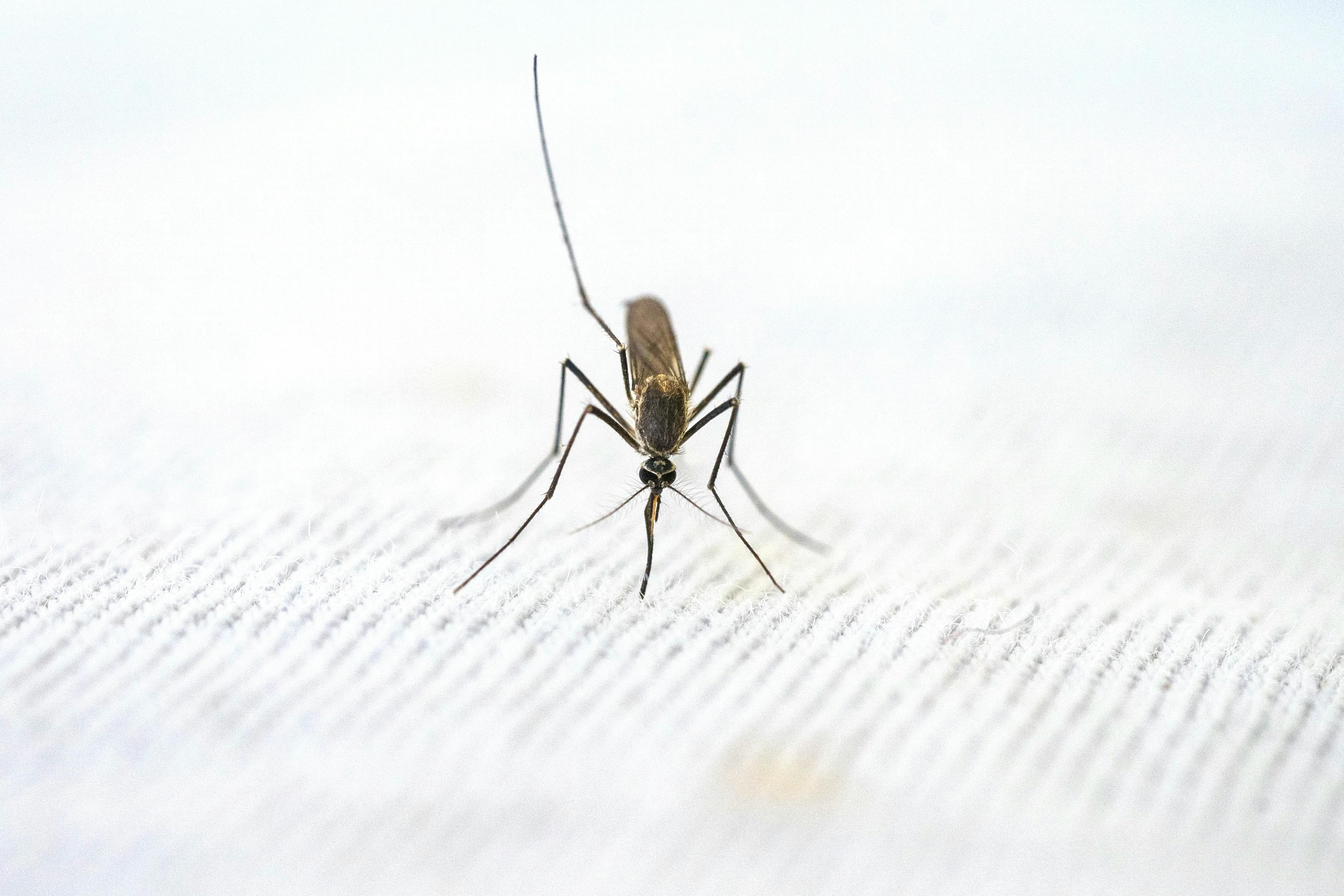
Residential & Commercial Pest Control Services

Residential & Commercial Pest Control Services
Find a Residential & Commercial Pest Control Pro in Lancaster
Connect with verified local professionals who understand your specific needs.