
Residential & Commercial Pest Control in Lynnville, TN
Need help understanding a pest problem in Lynnville? Get matched with local professionals for a focused inspection and practical next steps, including same-week availability when offered.
📞How Matching Works in Lynnville
Share Your Need
Select the specific service or issue you need help with.
Get Matched
We identify local professionals in our network who handle that service.
Compare Options
Review your matches and decide on the best provider for you.
Complete Residential & Commercial Pest Control Solutions
Professional services tailored to Lynnville residents and businesses
Why Choose Our Residential & Commercial Pest Control
Trusted by Lynnville homeowners and businesses
Thorough Home Inspection
Technicians identify entry points, nesting areas, and conditions attracting pests before treating.
Targeted, Safer Treatments
Precision applications and IPM methods reduce pests while minimizing exposure for families and pets.
Fast Scheduling Options
Same-week appointments available to stop active infestations before they spread further.
Prevention & Exclusion Tips
Get practical steps to seal gaps, reduce moisture, and keep pests from returning.
Clear Plan & Pricing
Upfront estimates with a written treatment plan, so you know what’s included and why.
Follow-Up When Needed
Ongoing monitoring and return visits help ensure long-lasting control for tough infestations.
Comprehensive Service Overview
Residential and commercial pest control in Lynnville typically starts with an inspection and identification process rather than a one-size-fits-all application. The property owner can expect questions about where activity was noticed, when it occurs, and whether pets, children, food preparation, tenants, or customers affect the treatment plan. The inspection may consider entry points, nesting or harborage areas, moisture, sanitation, vegetation, stored materials, crawl spaces, and structural gaps.
Depending on the pest and setting, the plan may address ants, roaches, spiders, rodents, termites, mosquitoes, bed bugs, or more than one issue. IPM methods combine monitoring, exclusion, sanitation improvements, habitat changes, and carefully selected treatments. Precision applications and low-odor options may be discussed when they fit the pest, building, and label requirements; product selection and re-entry guidance should be explained clearly, especially in family- and pet-conscious households or food-related businesses.
A written treatment plan and upfront estimate can clarify what is included, why a particular approach is recommended, and whether follow-up visits are expected. Ongoing monitoring or return visits may be relevant for termites, rodents, bed bugs, recurring roach activity, or infestations that involve multiple areas. Same-week appointments may be available for active problems, although scheduling varies. Prevention guidance commonly includes sealing gaps, improving moisture control, adjusting sanitation and storage, reducing pest-conducive vegetation, and addressing conditions that allow pests to return. Restaurants, property managers, and small businesses may also need documentation that supports internal maintenance and occupant communication.
★ Why Choose a Local Pro?
Local context matters because a pest plan that fits a compact in-town home may not fit a rural-edge property, older rental, restaurant, or detached outbuilding. Familiarity with Tennessee’s humid conditions, seasonal pest patterns, crawl-space construction, mixed housing stock, and nearby wooded or agricultural settings can help shape a more relevant inspection and prevention discussion.
Homeowners and businesses should also compare licensing, insurance documentation, treatment communication, and experience appropriate to the property type. Requirements and expectations can vary by service category, building use, and jurisdiction, so licensing details should be verified with the applicable Tennessee or local authority when needed. Written estimates, product information, follow-up expectations, and family- or pet-conscious precautions are useful points to clarify before work begins. For commercial properties, food handling, tenant access, scheduling, and recordkeeping may influence the plan. Local familiarity does not replace careful identification or clear documentation, but it can provide helpful context when comparing qualified providers.
Local Advantage
- ✓ Faster Response Times
- ✓ Knowledge of Local Codes
- ✓ Community Accountability
Local Residential & Commercial Pest Control in Lynnville
Understanding the specific needs and challenges of properties in the Lynnville area.
Regional Characteristics
Lynnville is a small Giles County community with a relatively low-density pattern that transitions from a central town area to rural and wooded surroundings. The housing mix may include older detached homes, established rental properties, farm-related buildings, and newer replacement or infill construction. Tennessee’s humid climate, warm summers, rainfall, and changing seasons can affect pest activity, especially where moisture collects around foundations, crawl spaces, kitchens, landscaping, or roof drainage. Property layouts vary considerably, so treatment scope may differ between a compact in-town home, a larger lot, a commercial kitchen, and an outbuilding.
Common Issues
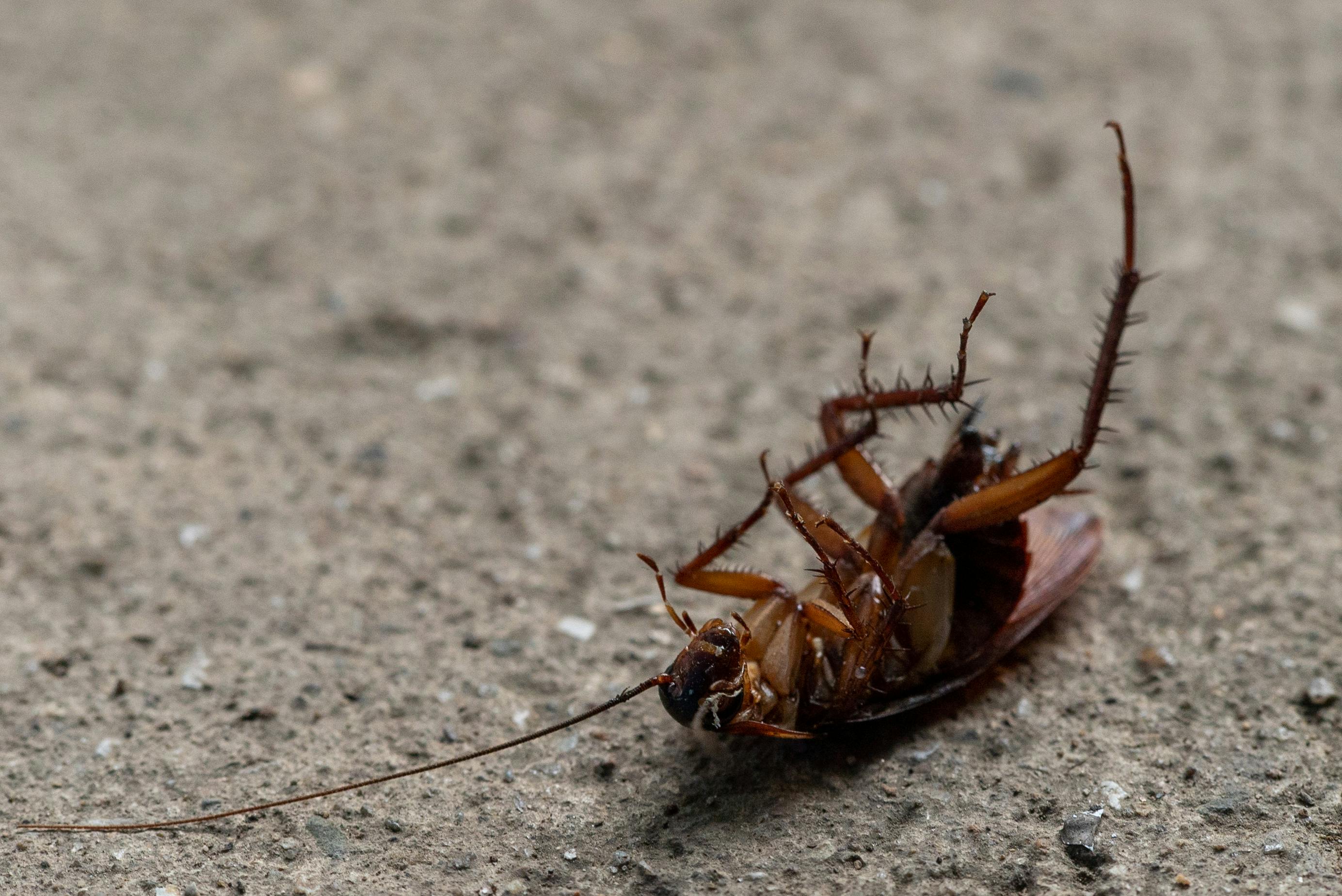
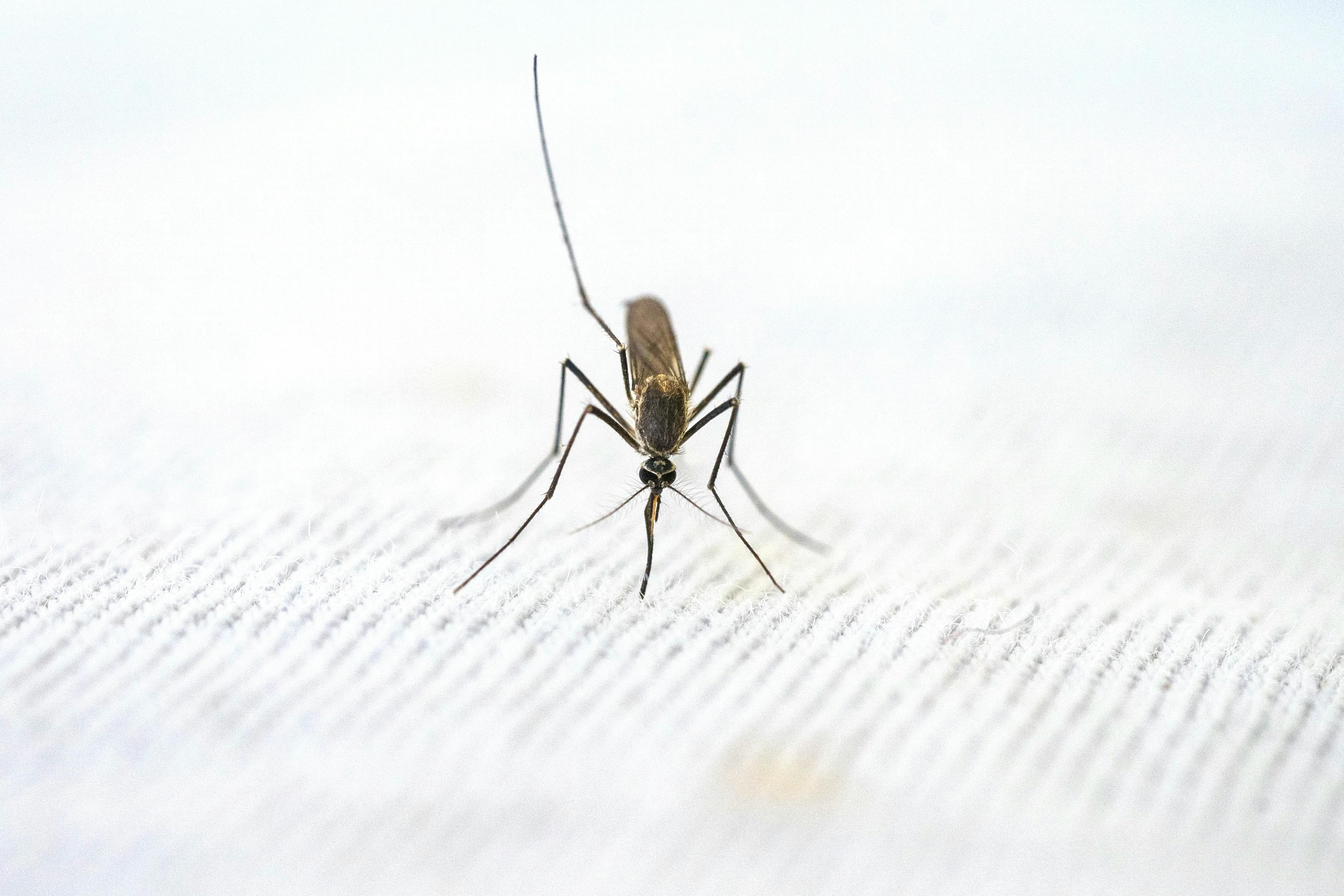
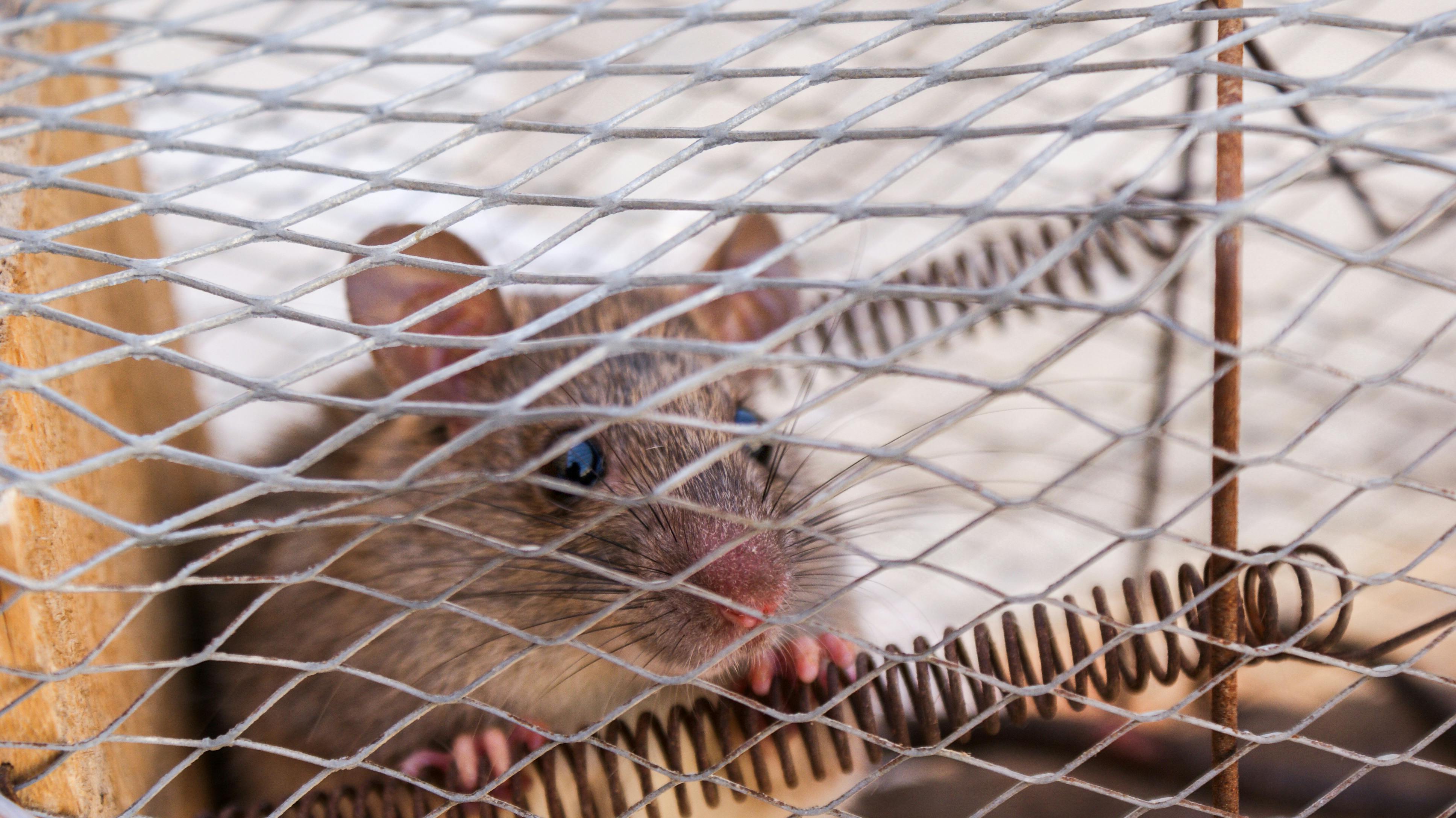
Residents commonly encounter ants around foundations and food sources, roaches in warm or damp areas, spiders near exterior lighting and sheltered corners, and mosquitoes where standing water persists. Rodents may enter through small openings in garages, crawl spaces, attics, or storage areas. Termites can be a consideration around wood-to-soil contact and moisture-prone structures, while bed bugs may affect homes, rentals, and lodging-related settings. Seasonal patterns are common, but building conditions and sanitation often influence activity as much as weather.
Areas & Neighborhoods Served
Coverage across the neighborhoods, corridors, and nearby communities property owners most often ask about in Lynnville.
Service Area Zip Codes
Local Considerations
General orientation includes the downtown and older areas, established residential streets, rural-edge properties, agricultural surroundings, and newer developments or infill near existing roads. These broad settings can help explain why pest access, moisture exposure, and inspection needs differ from one Lynnville property to another.
Pest Control Guides for Lynnville
Different situations call for different information. Choose a guide based on what you need right now.
Emergency Situations
Urgent help when every minute counts.
Get Emergency HelpPricing & Cost Factors
Understand fair costs and pricing.
View Pricing GuideAvoid Scams
Protect yourself from common fraud.
Read Protection GuidePermits & Compliance
Local rules and requirements.
Check RequirementsNext Steps
Visit the emergency page for urgent pest situations, the pricing page for estimates and cost-related questions, and the scams page for consumer-protection concerns. Use the permits page for questions about permits, licensing, or compliance that may vary by jurisdiction. When the need is routine or exploratory, compare local options and get matched with qualified providers for an inspection.
Residential & Commercial Pest Control Work
Professional residential & commercial pest control services in Lynnville

Residential & Commercial Pest Control Services
Residential & Commercial Pest Control Services
Residential & Commercial Pest Control Services
Residential & Commercial Pest Control Services
Find a Residential & Commercial Pest Control Pro in Lynnville
Connect with verified local professionals who understand your specific needs.