
Understanding Mold Remediation in Arlington, TX
Get the facts on mold cleanup, containment, and prevention for your Arlington home. Connect with local professionals who understand the area.
📞Comprehensive Service Overview
Mold remediation in Arlington typically begins with a thorough inspection to identify both visible growth and hidden moisture sources. The goal is to understand not just where mold is present, but why it's there. Common moisture sources in the area include roof leaks after thunderstorms, plumbing failures in older homes, foundation moisture moving through slab floors, and condensation buildup in HVAC systems — especially during Arlington's humid summers.
Once the scope of the issue is understood, containment measures are put in place. This often involves setting up physical barriers and using negative air pressure with HEPA filtration to prevent mold spores from spreading to unaffected areas during cleanup. This step is especially important in attached homes, multi-story residences, and commercial spaces common in Arlington's mixed-use areas.
The actual removal process varies depending on the materials affected. Porous materials like drywall, carpet, and insulation are often removed and replaced. Non-porous surfaces can be cleaned and treated with antimicrobial solutions. Throughout the process, the focus remains on addressing the moisture source — whether that means fixing a leak, improving ventilation, or adjusting grading around the foundation.
After removal, the area is dried thoroughly using commercial-grade dehumidifiers and air movers. A final verification, often called clearance testing, may be conducted to confirm that mold spore levels have returned to normal. Homeowners are typically given documentation of the work done, including photo evidence, which can be helpful for insurance purposes and peace of mind.
In Arlington, where homes range from mid-century ranches to modern townhomes, the approach to mold remediation can look quite different from one property to the next. Understanding what's involved helps you have more informed conversations with the professionals you invite into your home.
★ Why Choose a Local Pro?
Mold behaves differently depending on local conditions, and Arlington's specific climate, housing stock, and building practices all play a role in how mold issues develop and how they're best addressed. A home in North Arlington built in the 1960s may have different moisture dynamics than a newer construction in South Arlington. Local familiarity with these differences matters.
Licensing requirements for mold remediation in Texas are something to be aware of. The Texas Department of Licensing and Regulation (TDLR) oversees mold remediation and assessment in the state. Understanding these state-level requirements and how they apply to local building practices can make a meaningful difference in the quality and thoroughness of the work.
Building codes, inspection standards, and typical construction methods vary across Tarrant County. What works for a home near Lake Arlington may not apply to a commercial property near the entertainment district. Local knowledge helps ensure that the remediation approach is appropriate for the specific situation.
Every home and situation is unique, and the right approach depends on the specific conditions present. That's why understanding the local landscape is a helpful starting point.
Local Advantage
- ✓ Faster Response Times
- ✓ Knowledge of Local Codes
- ✓ Community Accountability
Local Mold Remediation in Arlington
Understanding the specific needs and challenges of properties in the Arlington area.
Regional Characteristics
Arlington sits in the heart of the Dallas-Fort Worth metroplex, with a mix of housing that spans decades. You'll find mid-century ranch homes in established neighborhoods, brick tract houses from the 1970s and 80s, and newer master-planned communities in the southern parts of the city. The area's clay-heavy soils can shift with moisture changes, sometimes affecting foundations and creating entry points for water. Humidity levels are consistently high through late spring, summer, and early fall, which puts extra demand on HVAC systems and ventilation. Many homes have slab foundations, attic spaces that run warm, and crawl spaces that can trap moisture — all common areas where mold can take hold.
Common Issues
Mold issues in Arlington often trace back to HVAC condensation problems, roof leaks after storms, plumbing failures in older homes, and foundation moisture wicking up through slab floors. Bathrooms and kitchens with inadequate ventilation are frequent trouble spots. Attic mold is also common when warm, moist air from the living space rises into a cooler attic and condenses on the underside of the roof decking. Homes near Lake Arlington or in areas with mature trees that create heavy shade can experience higher humidity levels around the property.
Areas & Neighborhoods Served
Coverage across the neighborhoods, corridors, and nearby communities property owners most often ask about in Arlington.
Service Area Zip Codes
Local Considerations
Older neighborhoods near Downtown Arlington and the UTA area tend to have homes built between the 1950s and 1970s, where aging plumbing and original ventilation systems can contribute to moisture issues. Newer developments in South and West Arlington often feature tighter construction, which can sometimes trap humidity indoors if ventilation isn't properly balanced. Mixed-use zones and commercial properties near major roadways have their own considerations, particularly with flat roofs and HVAC systems on larger buildings.
How Matching Works in Arlington
Share Your Need
Select the specific service or issue you need help with.
Get Matched
We identify local professionals in our network who handle that service.
Compare Options
Review your matches and decide on the best provider for you.
Why Choose Our Mold Remediation
Trusted by Arlington homeowners and businesses
Moisture Source Detection
We locate the leak or humidity source so mold doesn’t return after cleanup.
Containment & HEPA Filtration
Proper barriers and negative air pressure reduce cross-contamination during removal.
Safe Removal & Cleaning
Affected materials are removed or treated using industry-standard methods and antimicrobial solutions.
Clear Scope & Documentation
Get a written plan, photo evidence, and guidance for repairs and prevention.
Complete Mold Remediation Solutions
Professional services tailored to Arlington residents and businesses
Mold Remediation Guides for Arlington
Different situations call for different information. Choose a guide based on what you need right now.
Emergency Situations
Urgent help when every minute counts.
Get Emergency HelpPricing & Cost Factors
Understand fair costs and pricing.
View Pricing GuideAvoid Scams
Protect yourself from common fraud.
Read Protection GuidePermits & Compliance
Local rules and requirements.
Check RequirementsNext Steps
If you're dealing with an active leak or widespread mold growth that needs immediate attention, the emergency page can help you understand what steps to take next. For questions about what mold remediation typically costs in the Arlington area, the pricing page lays out common factors that influence estimates. Those concerned about misleading practices or wanting to know what to watch for can find guidance on the scams page. And if you're wondering about permits or compliance requirements in Tarrant County, the permits page covers those considerations.
Mold Remediation Work
Professional mold remediation services in Arlington

mold remediation
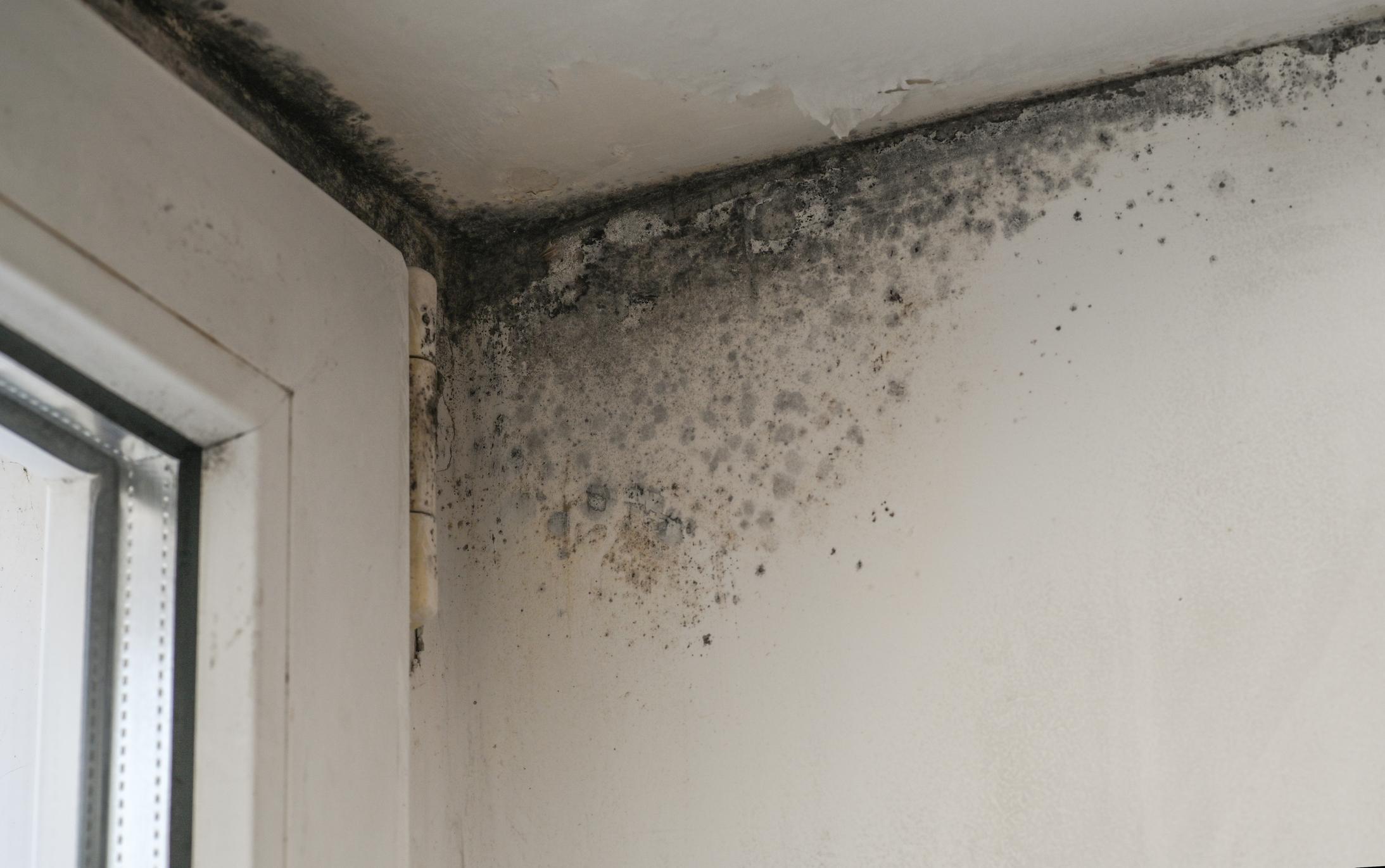
mold removal
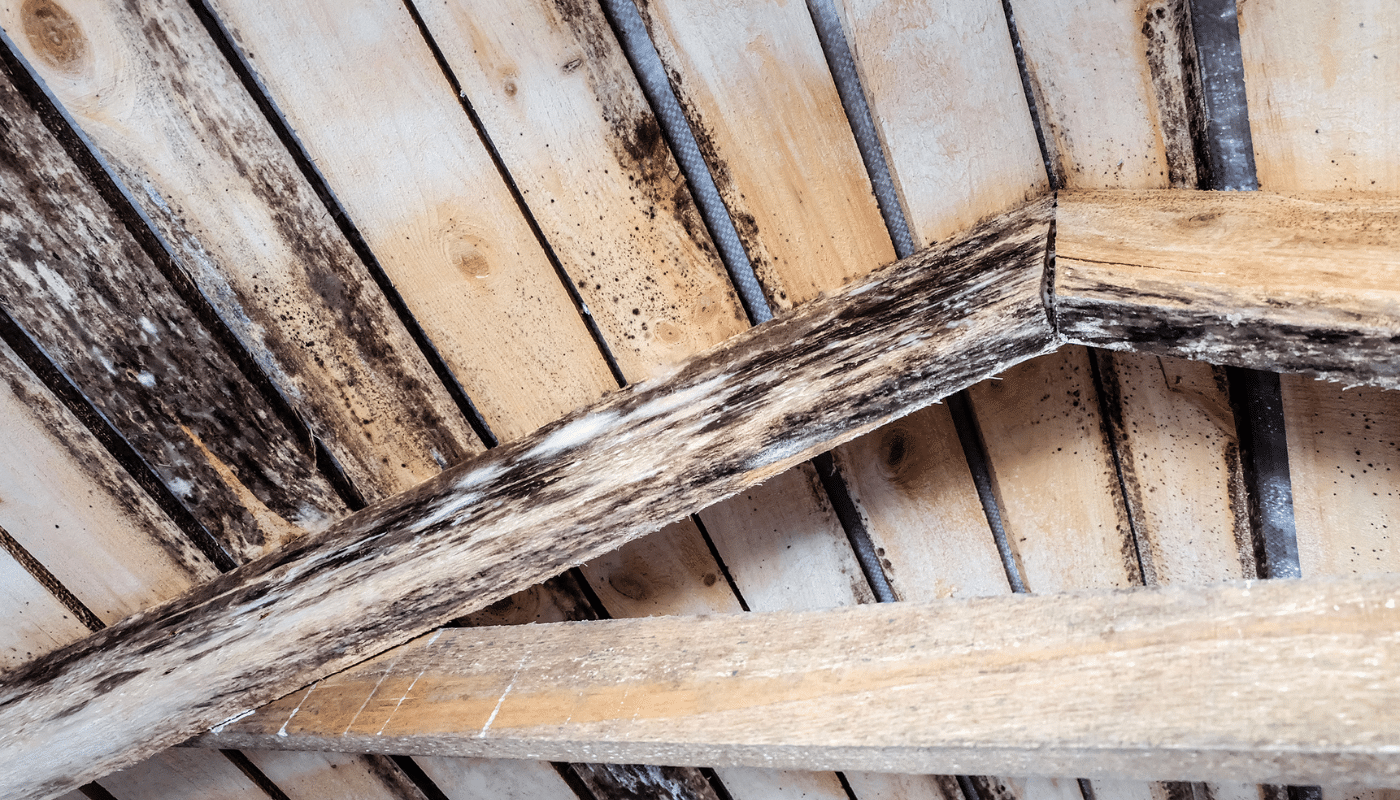
black mold removal
mold inspection
Find a Mold Remediation Pro in Arlington
Connect with verified local professionals who understand your specific needs.