
Mold Remediation in Grandview, Texas: What Homeowners Should Know
Left unchecked, mold can spread through a Grandview home in as little as 48 hours. Connect with local specialists who understand Johnson County's moisture challenges and can help address the problem at its source.
📞Comprehensive Service Overview
When mold is discovered in a Grandview home, the remediation process typically begins with a careful inspection to identify not just the visible growth, but the underlying moisture source feeding it. Given the region's persistent humidity, that source could be anything from a slow plumbing leak inside a wall to condensation forming in an under-insulated attic or poor drainage around the foundation.
Once the moisture source is located and addressed, containment becomes the next priority. Physical barriers and negative air pressure are used to prevent mold spores from traveling to other parts of the home during removal — a critical step in protecting the rest of the living space. Affected materials like drywall, insulation, or carpeting may need to be carefully removed and disposed of, while non-porous surfaces can often be cleaned and treated with antimicrobial solutions.
A key part of the process in North Texas is thorough drying and dehumidification afterward. With humidity levels that can hover well above 60% for much of the year, simply removing visible mold isn't enough. The environment needs to be brought back to a moisture level that won't support regrowth — which is why identifying and fixing the original moisture source is so essential.
At the end of a proper remediation, homeowners should receive a written plan documenting what was found, what was removed or treated, and recommendations for preventing future issues. Some situations also benefit from post-remediation verification — essentially a clearance inspection to confirm the space is safe and free of mold. For homes in Grandview that have experienced flooding or significant water intrusion, addressing the issue quickly is important, as mold can begin developing within 24 to 48 hours.
★ Why Choose a Local Pro?
Mold remediation isn't a one-size-fits-all process, and the approach that works in one region may not be the right fit for a home in Grandview. Local conditions — from the type of foundation a home sits on to the way seasonal humidity affects indoor air — all play a role in determining the right course of action.
Homes in older Grandview neighborhoods may have different construction materials and moisture vulnerabilities compared to newer subdivisions. Understanding these differences is one reason why familiarity with Johnson County housing patterns matters when planning remediation work. Similarly, how remediation is documented and reported can vary depending on local real estate practices and insurance expectations.
While Texas doesn't require a specific state-level license for mold remediation, many qualified providers hold certifications from industry organizations that set recognized standards for containment, removal, and clearance testing. Taking time to ask about experience with local conditions and verifying credentials can make a meaningful difference in the outcome of any remediation project.
Local Advantage
- ✓ Faster Response Times
- ✓ Knowledge of Local Codes
- ✓ Community Accountability
Local Mold Remediation in Grandview
Understanding the specific needs and challenges of properties in the Grandview area.
Regional Characteristics
Grandview sits in Johnson County, part of the North Texas region where hot, humid summers and mild winters create year-round moisture challenges. The housing stock here is a genuine mix — older homes near the downtown area with traditional crawlspaces and basements, alongside newer subdivisions with slab-on-grade foundations. Many properties sit on expansive clay soils that shift with moisture changes, which can affect foundation drainage and occasionally contribute to water intrusion. The rural character of the area means some homes rely on well water and septic systems, which bring their own moisture management considerations.
Common Issues
Homeowners in Grandview commonly encounter mold related to seasonal humidity, plumbing leaks in aging homes, roof leaks after storm events, and poor ventilation in attics and crawlspaces. Condensation buildup in HVAC systems and ductwork is another frequent concern, particularly during the long cooling season. The area's clay soils can also contribute to drainage problems around foundations, creating conditions where moisture collects near the home's perimeter rather than draining away properly.
Areas & Neighborhoods Served
Coverage across the neighborhoods, corridors, and nearby communities property owners most often ask about in Grandview.
Service Area Zip Codes
Local Considerations
The downtown Grandview area features older buildings and homes with construction methods typical of early-to-mid 20th century Texas, while newer developments on the town's outskirts reflect more modern building practices. Lake Grandview and the surrounding green spaces contribute to the area's natural humidity. The broader Johnson County landscape includes both suburban-style residential areas and working farmland, each with different moisture management needs and building characteristics.
How Matching Works in Grandview
Share Your Need
Select the specific service or issue you need help with.
Get Matched
We identify local professionals in our network who handle that service.
Compare Options
Review your matches and decide on the best provider for you.
Why Choose Our Mold Remediation
Trusted by Grandview homeowners and businesses
Moisture Source Detection
We locate the leak or humidity source so mold doesn’t return after cleanup.
Containment & HEPA Filtration
Proper barriers and negative air pressure reduce cross-contamination during removal.
Safe Removal & Cleaning
Affected materials are removed or treated using industry-standard methods and antimicrobial solutions.
Clear Scope & Documentation
Get a written plan, photo evidence, and guidance for repairs and prevention.
Complete Mold Remediation Solutions
Professional services tailored to Grandview residents and businesses
Mold Remediation Guides for Grandview
Different situations call for different information. Choose a guide based on what you need right now.
Emergency Situations
Urgent help when every minute counts.
Get Emergency HelpPricing & Cost Factors
Understand fair costs and pricing.
View Pricing GuideAvoid Scams
Protect yourself from common fraud.
Read Protection GuidePermits & Compliance
Local rules and requirements.
Check RequirementsNext Steps
Depending on your situation, different pages offer the specific information you need. If you're dealing with active water damage or suspect mold is spreading quickly, the emergency page covers what to do when time is critical. For questions about what remediation typically costs in the Grandview area, the pricing page provides a helpful overview. If you're concerned about protecting yourself as a consumer — including what to watch for when hiring — the scams page offers practical guidance. And for those wondering about local regulations or documentation needs, the permits page outlines what to expect.
Mold Remediation Work
Professional mold remediation services in Grandview
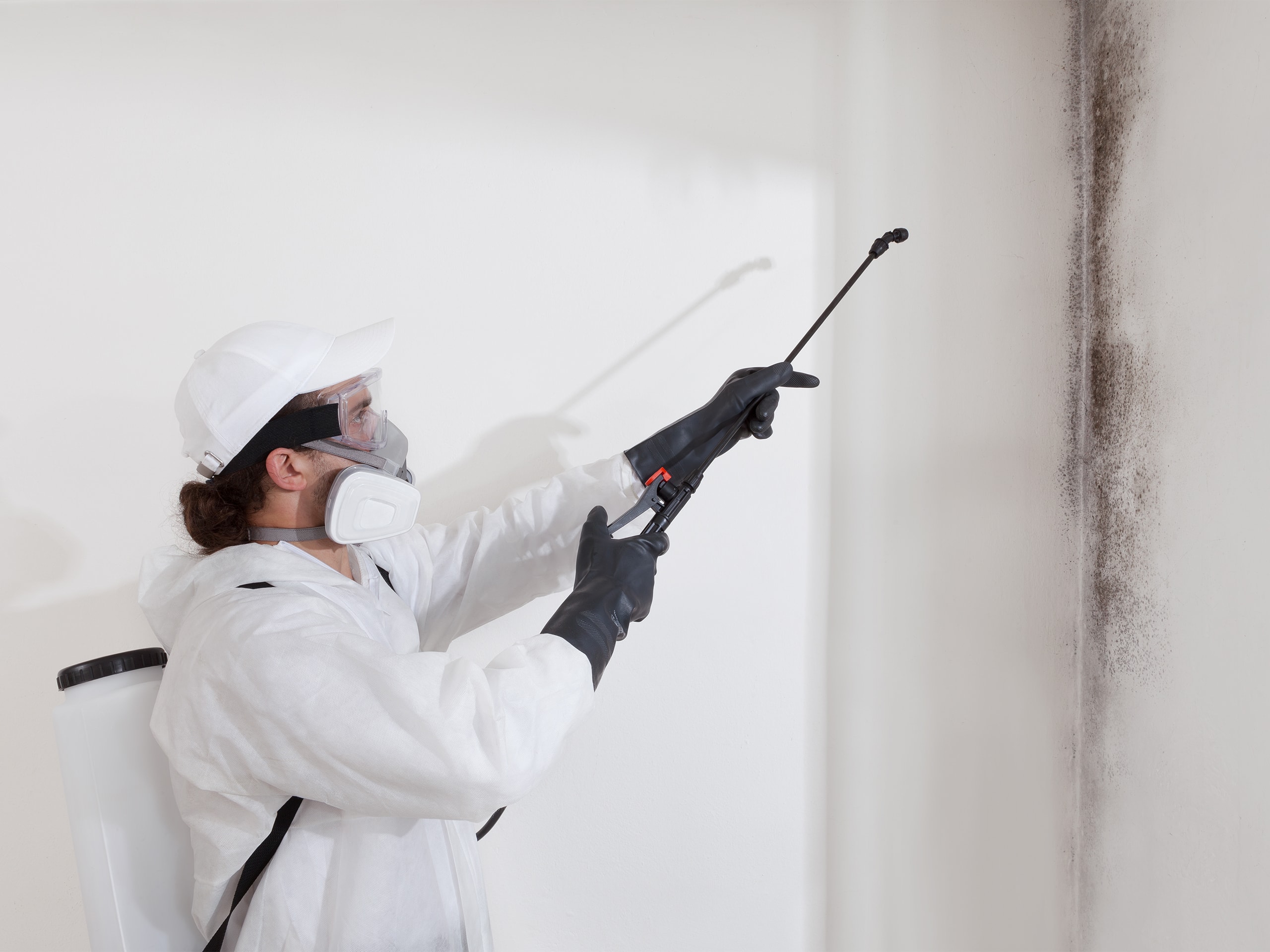
mold remediation
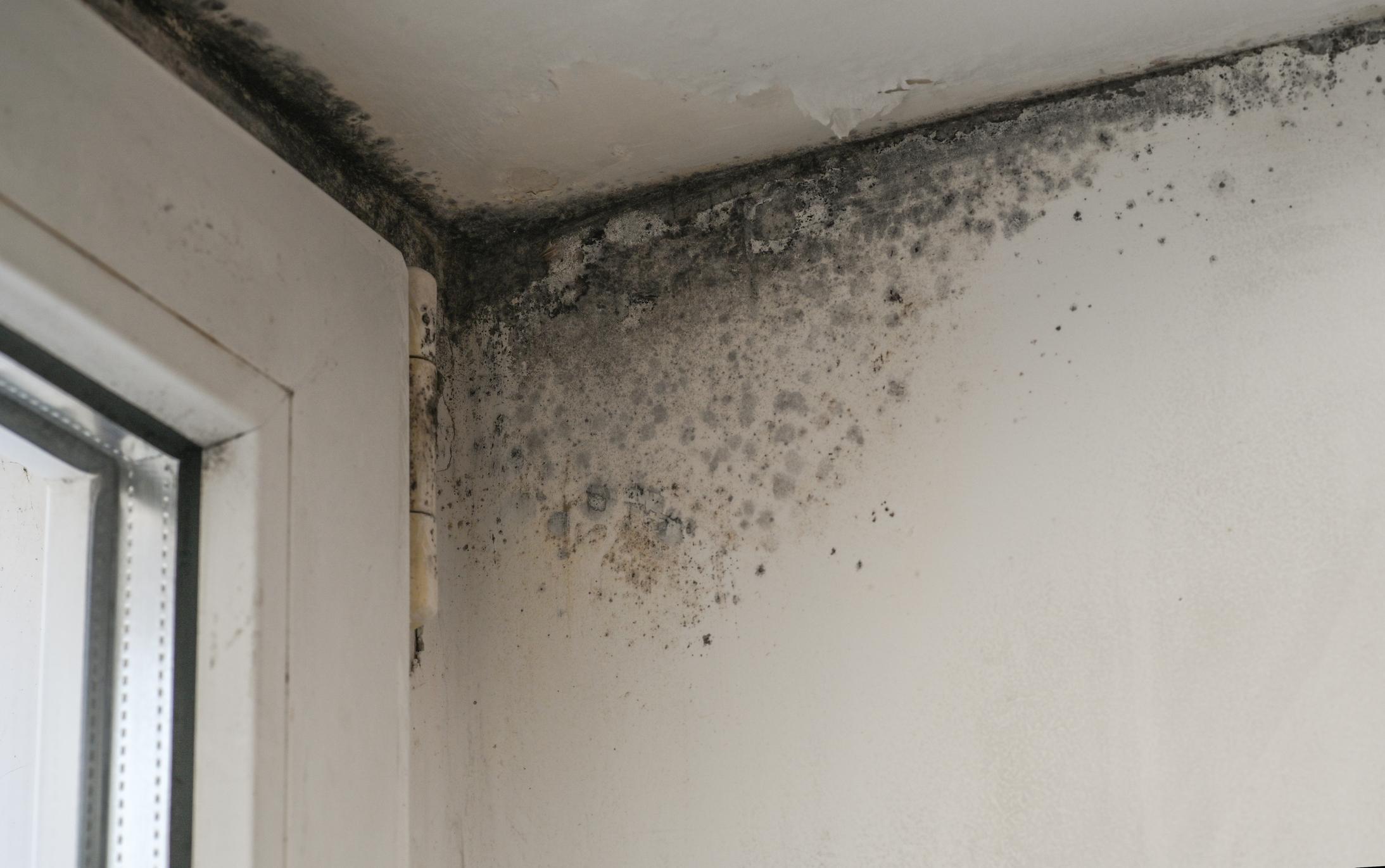
mold removal
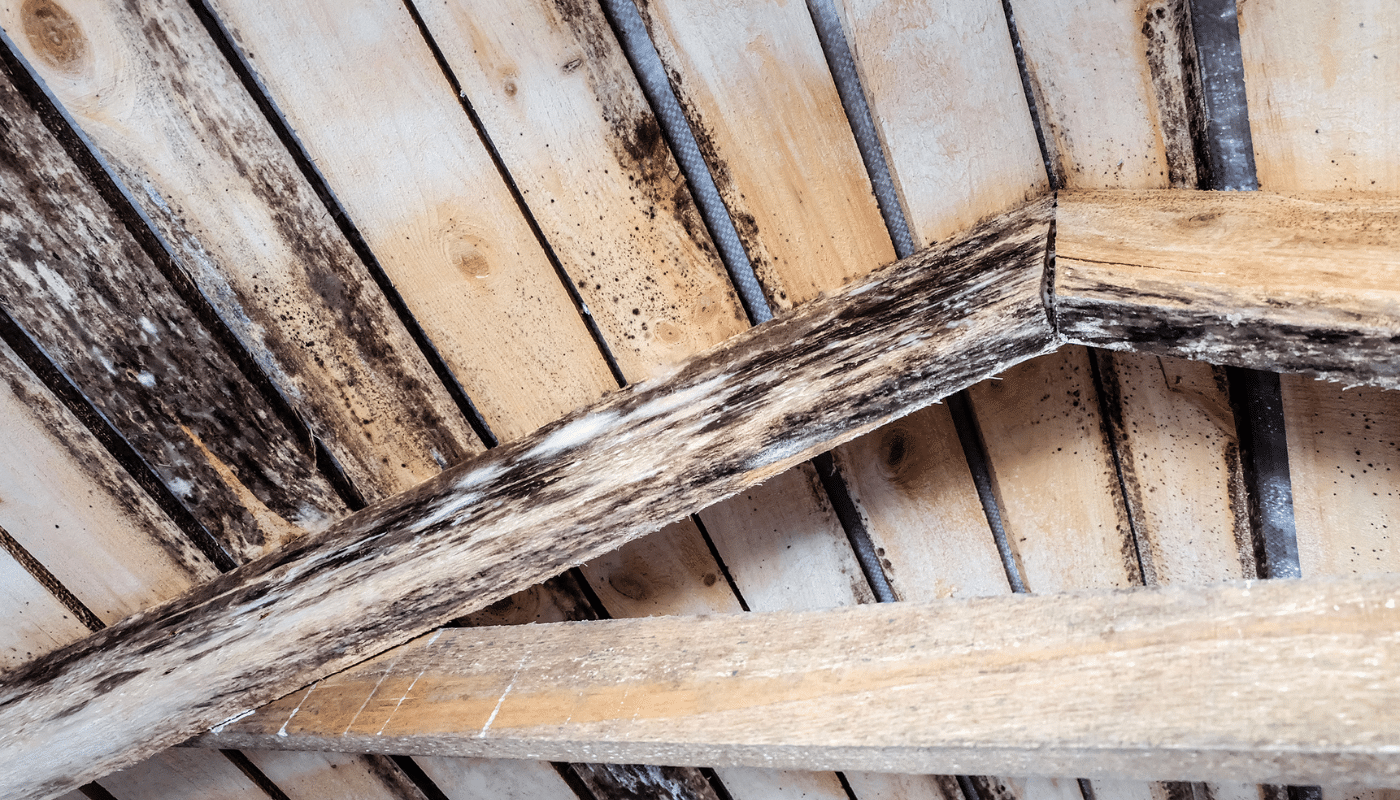
black mold removal
mold inspection
Find a Mold Remediation Pro in Grandview
Connect with verified local professionals who understand your specific needs.