
Mold Remediation in Leander, TX: What Homeowners Should Know
If you're dealing with musty odors, visible mold, or moisture concerns in your Leander home, understanding the scope of the issue is the first step toward a solution. Connect with qualified local professionals who know the area's conditions and can help you move forward with confidence.
📞Comprehensive Service Overview
Mold remediation in Leander typically involves more than surface-level treatment. Because the area's climate encourages mold growth, the process usually begins with a thorough inspection to identify both visible growth and hidden pockets of moisture. The goal is to understand what's feeding the mold — often a slow leak, poor ventilation, or humidity trapped behind walls — so that cleanup addresses the root cause, not just the symptoms.
Once the source of moisture is identified, the next step involves containment. Proper barriers and negative air pressure are set up to prevent mold spores from drifting into unaffected parts of the home during removal. This is especially important in multi-room homes where families are continuing to live while work is underway.
Affected materials — things like drywall, insulation, carpet, or ceiling tiles — are removed and disposed of using industry-standard methods. Hard surfaces are cleaned with antimicrobial solutions designed to neutralize mold at the microscopic level. Throughout the process, HEPA filtration helps capture airborne spores, and drying equipment is used to bring moisture levels back to normal.
A written plan and photo documentation are typically provided after the work is complete. This gives homeowners a clear record of what was found, what was done, and what conditions were corrected. It can also be useful for insurance-related documentation. The final step often involves post-remediation verification — sometimes called clearance testing — to confirm that mold counts have returned to acceptable indoor levels before the space is reassembled and returned to normal use.
★ Why Choose a Local Pro?
Mold responds to local conditions, and Leander's climate, soil types, and housing patterns create specific challenges that aren't the same as in other parts of Texas. A remediation approach that works in a coastal city or a dry West Texas town won't necessarily fit a Hill Country suburb with heavy spring rains and humid summers.
Licensing and certification matter here. In Texas, mold remediation professionals must hold a license from the Texas Department of Licensing and Regulation (TDLR), and the specific scope of work — assessment versus remediation — is regulated. Working with someone who understands Williamson County's building codes and common construction styles can make a meaningful difference in how thoroughly the problem is addressed and whether it's likely to return.
Each home is different too. A 1990s ranch house near Old Town has different moisture dynamics than a new build in a master-planned community. Local familiarity with these variations helps ensure the remediation approach matches the actual conditions of the property.
Local Advantage
- ✓ Faster Response Times
- ✓ Knowledge of Local Codes
- ✓ Community Accountability
Local Mold Remediation in Leander
Understanding the specific needs and challenges of properties in the Leander area.
Regional Characteristics
Leander has experienced explosive growth over the past two decades, creating a mix of established neighborhoods and brand-new developments. Older homes — particularly those built before the 2000s — may have different ventilation standards and moisture management than newer construction. At the same time, rapid development has brought homes with tighter building envelopes, which can trap humidity indoors if not properly ventilated. The area sits within Williamson County's rolling Hill Country terrain, where clay soils can shift with moisture changes and affect foundation drainage. Combined with Leander's humid subtropical climate and seasonal storms, these factors frequently contribute to moisture intrusion issues that homeowners might not notice until mold has already begun to develop.
Common Issues
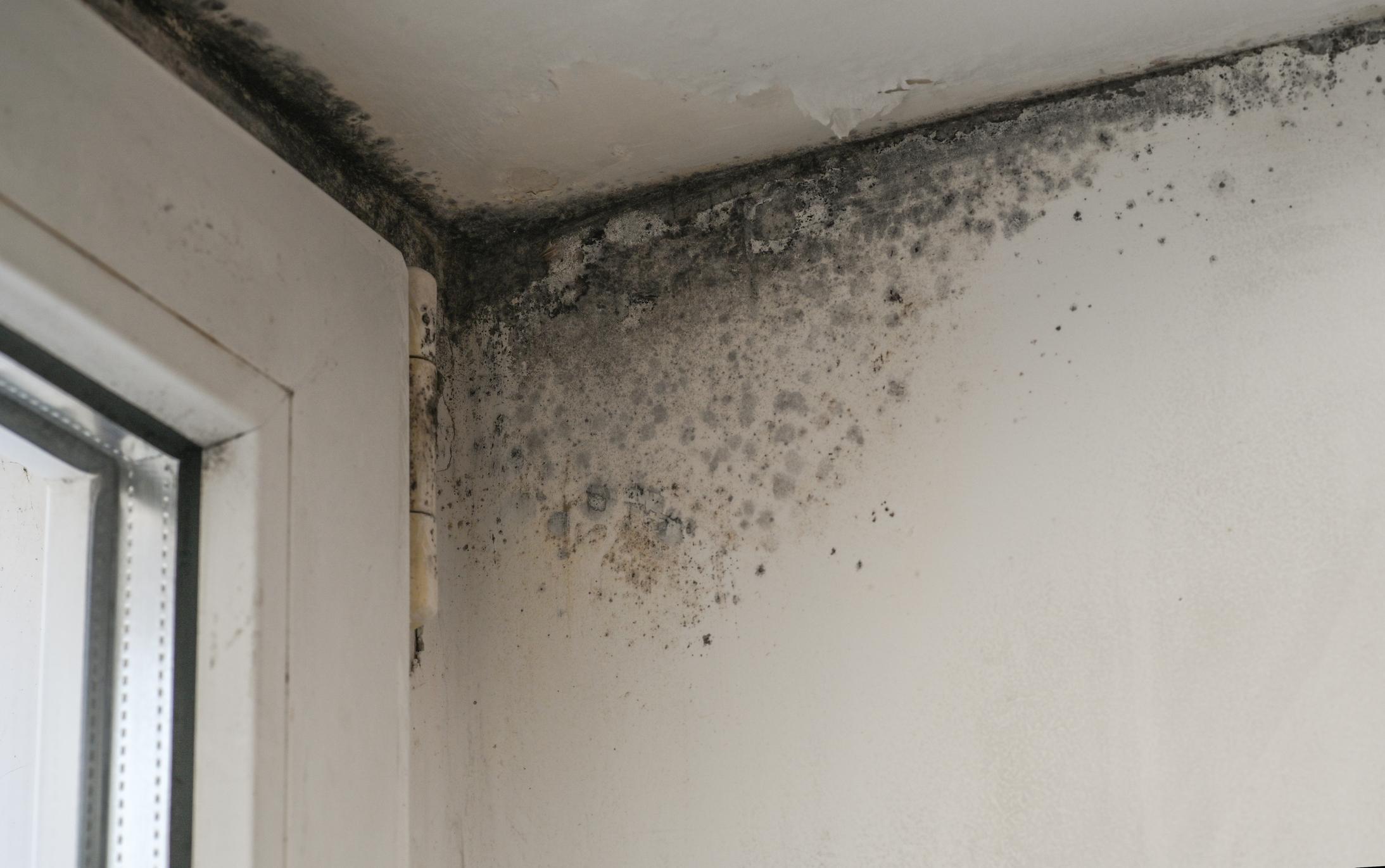
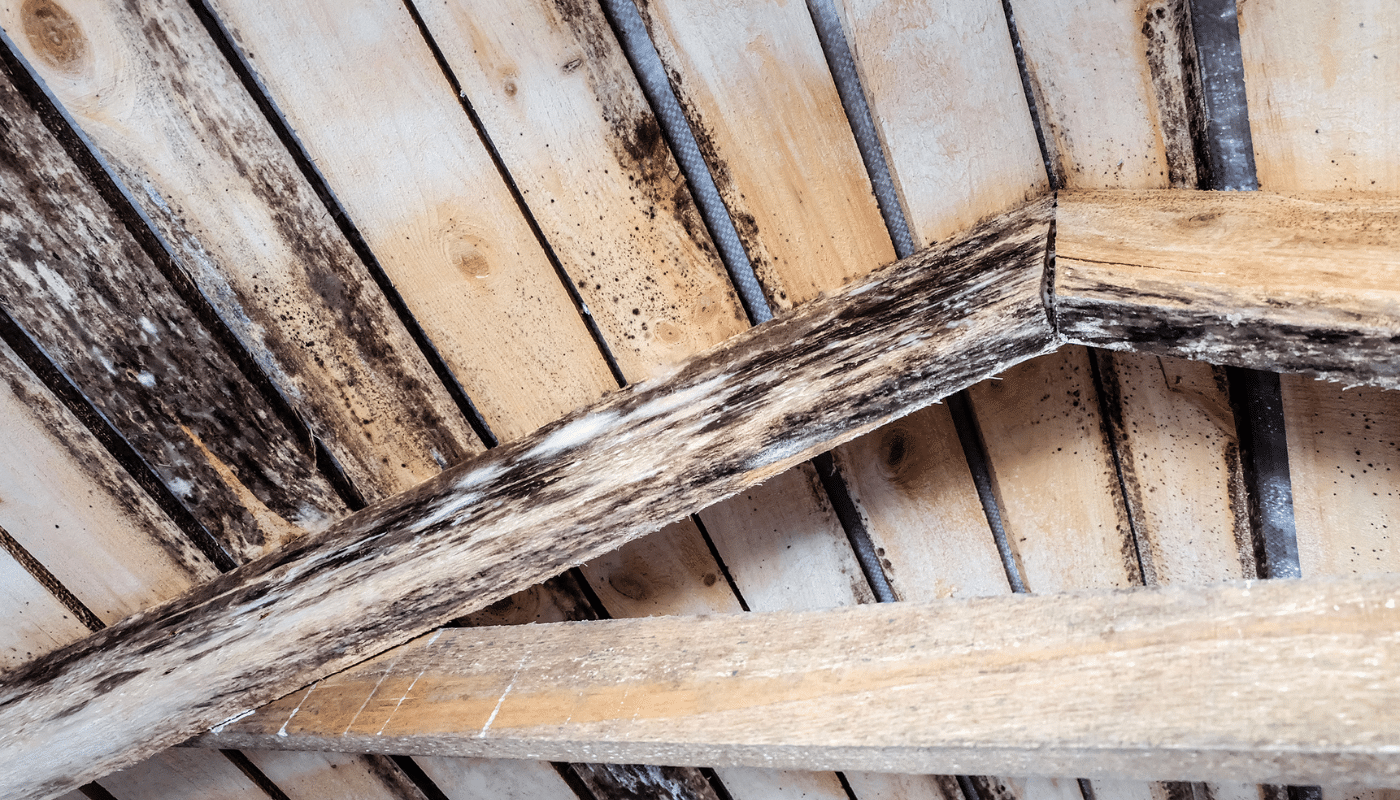
Leander homeowners commonly encounter mold in attics and crawl spaces where warm, humid air meets cooler surfaces. Bathrooms and laundry rooms with inadequate exhaust, finished basements with poor drainage, and areas around windows or exterior doors are frequent trouble spots. Roof leaks from hail or wind damage, plumbing failures in slab foundations, and condensation buildup in HVAC systems are also recurring sources of moisture that can lead to mold growth. Newer homes sometimes experience mold issues during the first few years as settling and seasonal humidity expose gaps in the building envelope.
Areas & Neighborhoods Served
Coverage across the neighborhoods, corridors, and nearby communities property owners most often ask about in Leander.
Service Area Zip Codes
Local Considerations
Leander's historic downtown area features older structures where moisture management can be a concern. Newer master-planned communities on the south and west sides of the city have their own construction patterns. The 183A corridor serves as a major development spine, with many recent residential and mixed-use projects nearby.
How Matching Works in Leander
Share Your Need
Select the specific service or issue you need help with.
Get Matched
We identify local professionals in our network who handle that service.
Compare Options
Review your matches and decide on the best provider for you.
Why Choose Our Mold Remediation
Trusted by Leander homeowners and businesses
Moisture Source Detection
We locate the leak or humidity source so mold doesn’t return after cleanup.
Containment & HEPA Filtration
Proper barriers and negative air pressure reduce cross-contamination during removal.
Safe Removal & Cleaning
Affected materials are removed or treated using industry-standard methods and antimicrobial solutions.
Clear Scope & Documentation
Get a written plan, photo evidence, and guidance for repairs and prevention.
Complete Mold Remediation Solutions
Professional services tailored to Leander residents and businesses
Mold Remediation Guides for Leander
Different situations call for different information. Choose a guide based on what you need right now.
Emergency Situations
Urgent help when every minute counts.
Get Emergency HelpPricing & Cost Factors
Understand fair costs and pricing.
View Pricing GuideAvoid Scams
Protect yourself from common fraud.
Read Protection GuidePermits & Compliance
Local rules and requirements.
Check RequirementsNext Steps
Depending on your situation, one of these pages may be more helpful right now:
- Visit the emergency page if you're dealing with active water intrusion, flooding, or sudden mold growth that needs immediate attention.
- Head to the pricing page if you're comparing costs and want to understand what factors influence estimates in the Leander area.
- Check the scams page for guidance on avoiding questionable practices and knowing what red flags to look for when vetting providers.
- The permits page covers compliance and municipal considerations for remediation work in Williamson County.
Mold Remediation Work
Professional mold remediation services in Leander

mold remediation
mold removal
black mold removal
mold inspection
Find a Mold Remediation Pro in Leander
Connect with verified local professionals who understand your specific needs.