
Mold Remediation in Plano, TX: What Local Homeowners Should Know
If you're noticing musty odors, visible growth, or dealing with a recent water issue in your Plano home, taking prompt action can help protect both your property and indoor air quality. Get matched with qualified local specialists who understand the unique conditions of North Texas homes.
📞Comprehensive Service Overview
When it comes to mold remediation in Plano, the process typically goes well beyond a simple surface cleaning. The first and most critical step is identifying the moisture source — whether that's a slab leak, a roof penetration, poor ventilation, or storm-related water intrusion. Without addressing the source, mold will likely return no matter how thorough the cleanup.
Once the source is identified and controlled, the remediation process generally involves setting up containment barriers and negative air pressure to prevent spores from spreading to unaffected areas during the work. This is especially important in Plano's open-concept floor plans and multi-story homes, where air movement between floors can easily carry contaminants.
Affected materials such as drywall, insulation, carpet, or wood framing are carefully removed or treated using industry-standard methods. HEPA vacuuming, antimicrobial treatments, and structural drying are common steps, with the scope depending on the extent of the growth and the type of materials involved. In Plano's humid climate, thorough drying is essential — dehumidification equipment may run for several days to ensure moisture levels return to normal.
After the active remediation is complete, many situations call for post-remediation verification, which may include visual inspection, moisture readings, and sometimes air sampling to confirm the area is clear. Homeowners typically receive a written plan documenting the work performed, along with photo evidence and guidance for any necessary repairs or preventive measures.
For those navigating insurance claims, having clear documentation of the process, including moisture readings, scope of work, and post-remediation clearance, can be especially helpful. The approach varies depending on whether the issue stems from a sudden event like a burst pipe or a chronic condition like long-term humidity.
★ Why Choose a Local Pro?
Mold remediation is not a one-size-fits-all process, and Plano's local conditions create specific considerations that professionals familiar with the area tend to handle more effectively. The mix of older and newer homes, the prevalence of slab foundations, and the region's humidity patterns all influence how mold issues develop and how they should be addressed.
Licensing requirements for mold remediation in Texas are governed by the Texas Department of Licensing and Regulation (TDLR), which sets standards for individuals and companies performing this work. Local familiarity with Plano's building codes, typical home construction methods, and common failure points — such as aging plumbing in older neighborhoods or HVAC condensation issues in newer builds — can make a meaningful difference in how thoroughly the problem is resolved.
Because local conditions and home characteristics vary so widely, homeowners are encouraged to look for providers who demonstrate clear knowledge of the area's housing stock and moisture patterns, and who follow TDLR-compliant practices.
Local Advantage
- ✓ Faster Response Times
- ✓ Knowledge of Local Codes
- ✓ Community Accountability
Local Mold Remediation in Plano
Understanding the specific needs and challenges of properties in the Plano area.
Regional Characteristics
Plano sits in the heart of Collin County within North Texas, where the climate is classified as humid subtropical. Summers are hot and humid, while spring and fall bring significant rainfall and occasional storms. The housing stock varies considerably across the city: older neighborhoods near downtown feature homes built in the 1970s and 1980s, often with slab foundations and original HVAC systems, while newer developments in west Plano and around the Legacy area showcase modern construction with advanced building envelopes but also complex mechanical systems that require careful maintenance. Much of the area sits on flat to gently rolling terrain with clay-heavy soils, which can shift and settle over time, potentially affecting foundation drainage and water management.
Common Issues
Plano homeowners most frequently encounter mold issues stemming from plumbing leaks within slab foundations, condensation buildup in attics and crawl spaces, overflow from clogged gutters or improper grading around the foundation, and humidity-related growth in bathrooms or basements. After heavy rain or storm events, water intrusion through windows, roof penetrations, or foundation cracks is also a common trigger. In newer, tightly sealed homes, inadequate ventilation can trap moisture indoors, leading to hidden growth behind walls or in HVAC systems.
Areas & Neighborhoods Served
Coverage across the neighborhoods, corridors, and nearby communities property owners most often ask about in Plano.
Service Area Zip Codes
Local Considerations
Plano's older neighborhoods near Downtown Plano and the Historic District often have mature trees and established homes where original construction materials may show decades of moisture exposure. Newer communities in West Plano near the Legacy West and Shops at Willow Bend areas tend toward larger, modern homes with complex rooflines and extensive HVAC systems. East Plano features a mix of mid-century and newer infill construction. Areas near major roadways and greenbelts, including those around Russell Creek Park, may experience unique drainage considerations depending on grading and landscape design.
How Matching Works in Plano
Share Your Need
Select the specific service or issue you need help with.
Get Matched
We identify local professionals in our network who handle that service.
Compare Options
Review your matches and decide on the best provider for you.
Why Choose Our Mold Remediation
Trusted by Plano homeowners and businesses
Moisture Source Detection
We locate the leak or humidity source so mold doesn’t return after cleanup.
Containment & HEPA Filtration
Proper barriers and negative air pressure reduce cross-contamination during removal.
Safe Removal & Cleaning
Affected materials are removed or treated using industry-standard methods and antimicrobial solutions.
Clear Scope & Documentation
Get a written plan, photo evidence, and guidance for repairs and prevention.
Complete Mold Remediation Solutions
Professional services tailored to Plano residents and businesses
Mold Remediation Guides for Plano
Different situations call for different information. Choose a guide based on what you need right now.
Emergency Situations
Urgent help when every minute counts.
Get Emergency HelpPricing & Cost Factors
Understand fair costs and pricing.
View Pricing GuideAvoid Scams
Protect yourself from common fraud.
Read Protection GuidePermits & Compliance
Local rules and requirements.
Check RequirementsNext Steps
Depending on your situation, one of these focused pages may be more helpful right now. If you're dealing with active water intrusion or significant visible growth, visit the emergency page to understand immediate steps. For questions about typical costs and what influences pricing in the Plano area, the pricing page offers a helpful overview. If you're concerned about consumer protection or want to understand common red flags, the scams page provides useful guidance. And for those wondering about permit requirements or local codes that may apply to remediation work, the permits page has you covered.
Mold Remediation Work
Professional mold remediation services in Plano

mold remediation
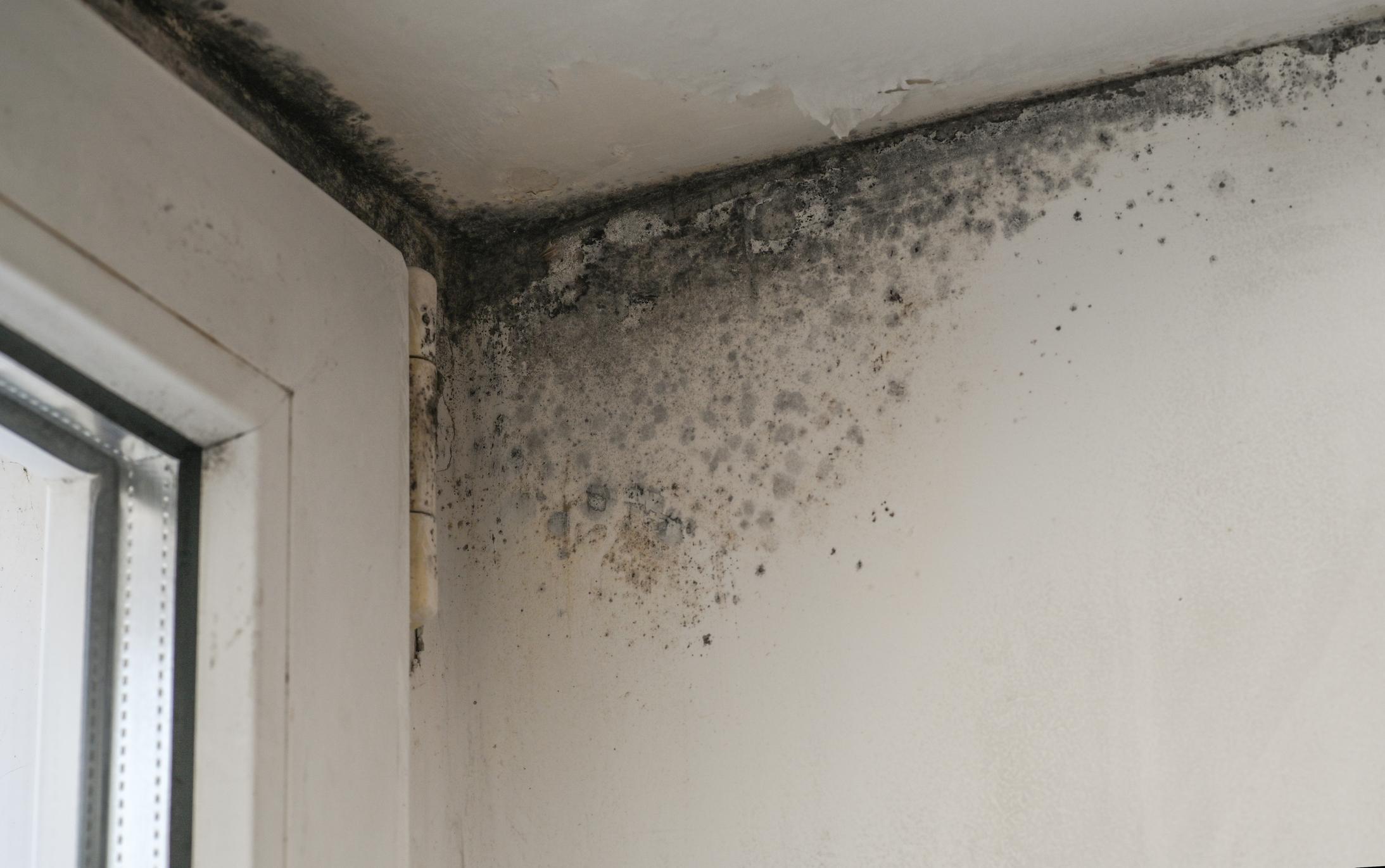
mold removal
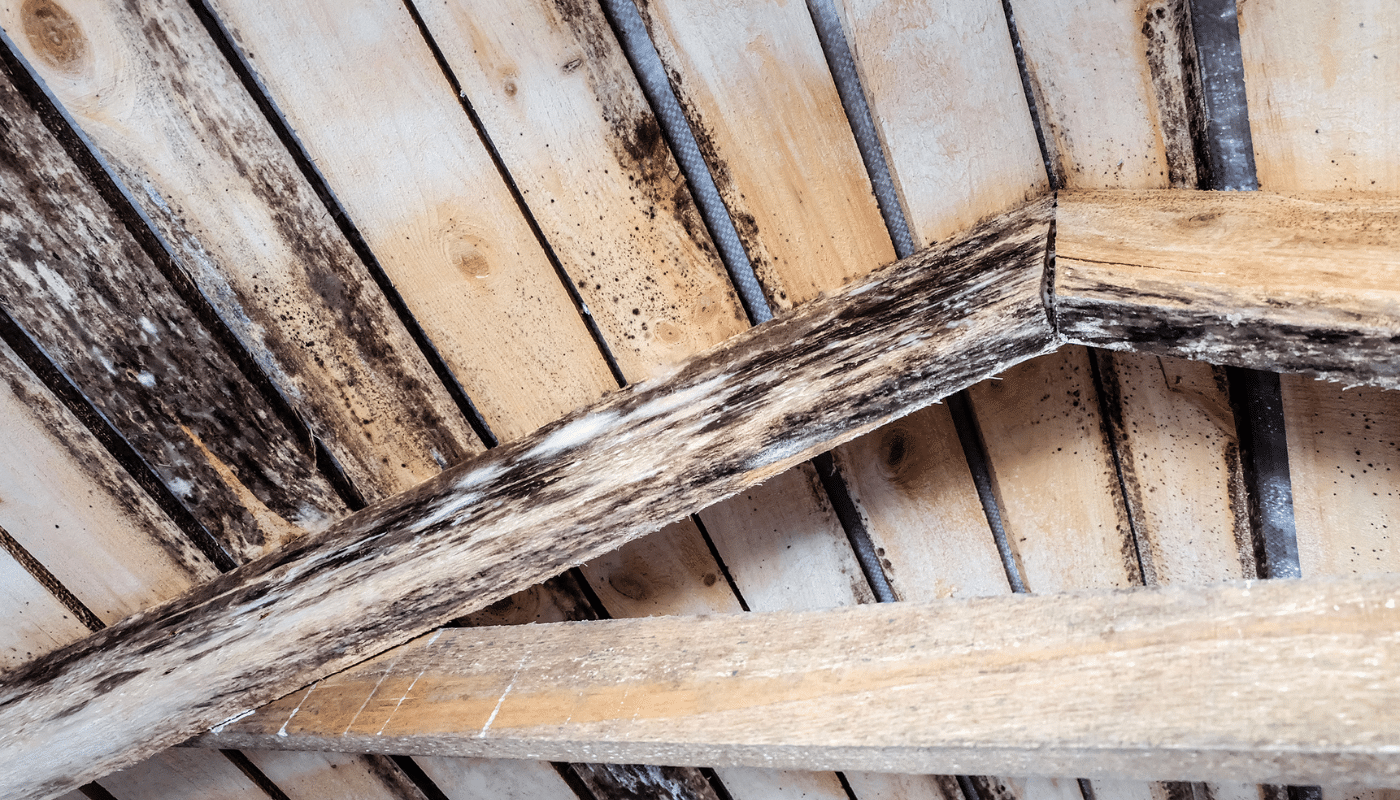
black mold removal
mold inspection
Find a Mold Remediation Pro in Plano
Connect with verified local professionals who understand your specific needs.